EP. 9 · JUL 16, 2025 · Data · Research · Science · University
09 | The Science of Nomad Life: Identity, Freedom, and the Data Behind It
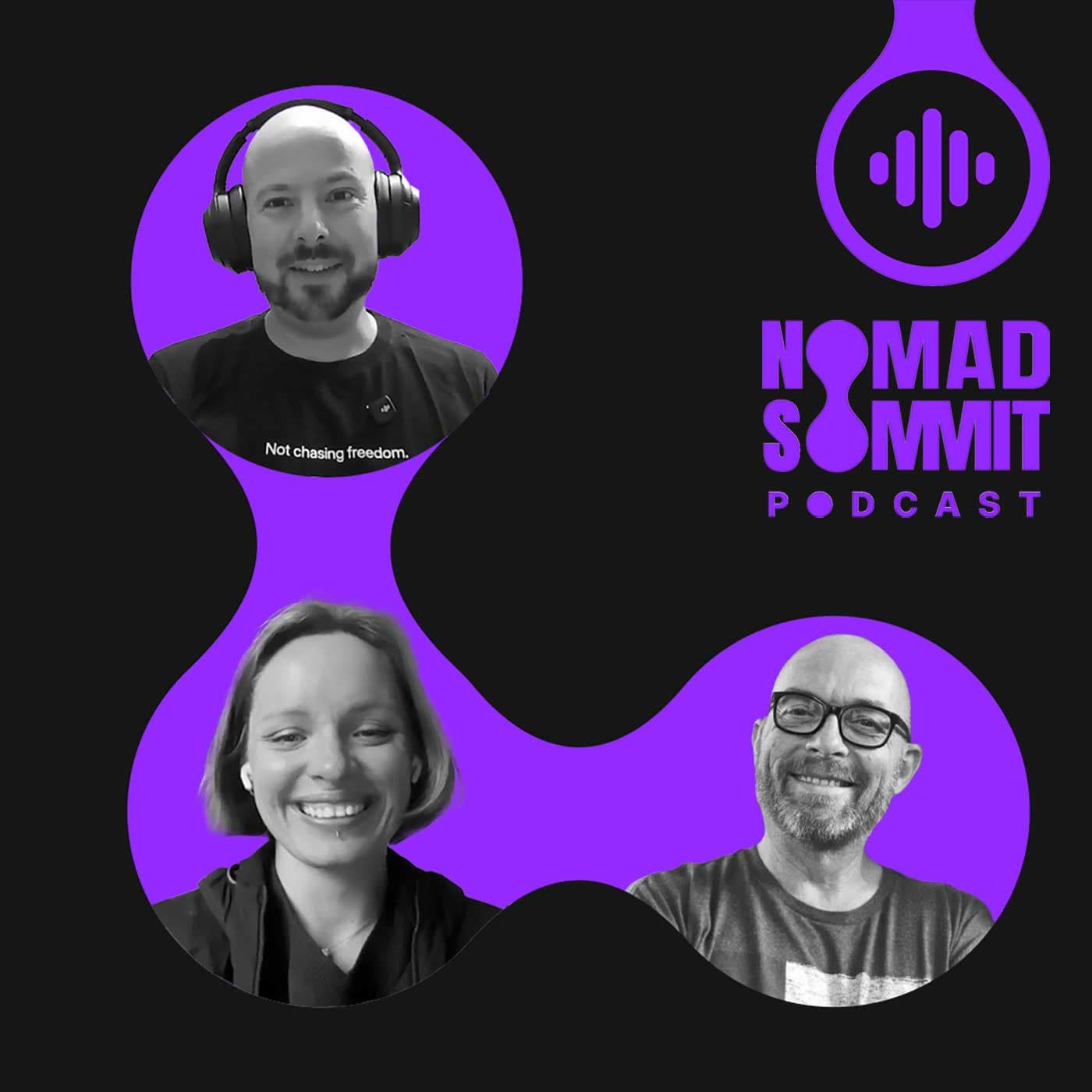
How many digial nomads are there and who really qualifies as a digital nomad? In this episode, Christoph Huebner sits down with researchers Aldijana Bunjak (University of Stavanger, Norway) and Viktoriya Voloshyna (Thompson Rivers University, Canada) to explore what the data says about nomad identity, motivation, and lifestyle.
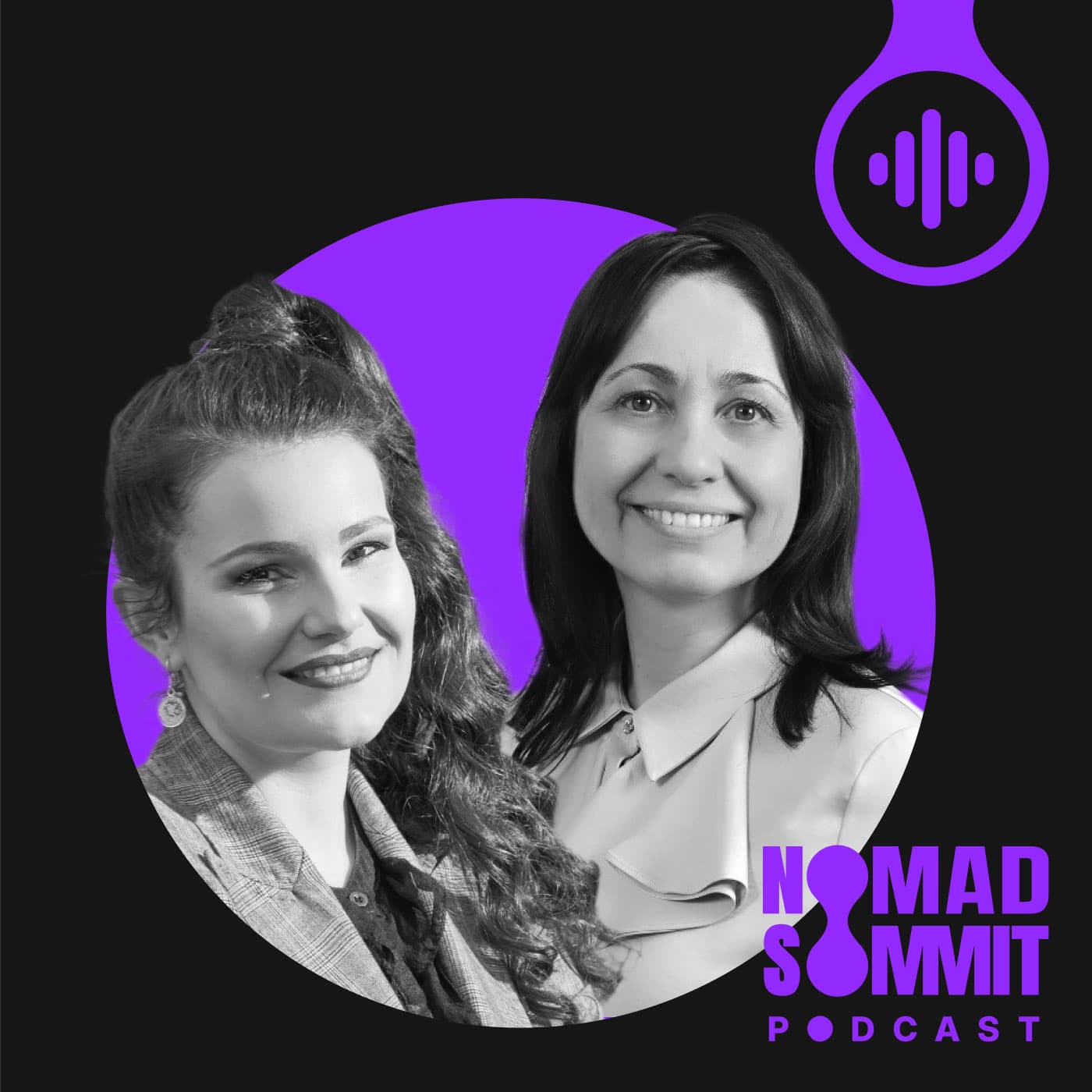
Aldijana Bunjak & Viktoriya Voloshyna
Researchers of the digital nomad lifestyle.
09 | The Science of Nomad Life: Identity, Freedom, and the Data Behind It
Show Notes
What does it really mean to be a digital nomad? In Episode 09 of the Nomad Summit Podcast, host Christoph Huebner sits down with two researchers who are working hard to answer that very question. Dr. Viktoriya Voloshyna from Thompson Rivers University in Canada and Dr. Aldijana Bunjak from the University of Stavanger in Norway are both part of an ambitious global research project seeking to understand the psychological, social, and organizational dimensions of the nomadic lifestyle.
This conversation is a fascinating deep dive into how academics define digital nomads, what values drive them, and what early findings are emerging from their large-scale survey and interview work.
What Even Is a Digital Nomad?
One of the core challenges both researchers face is defining who qualifies as a digital nomad. Is it someone without a home base, traveling perpetually? Or can it include remote workers who split their time between travel and a fixed location? Aldijana explains that for her current research project (e-Wanderlust), digital nomads are defined as people who change work locations at least three times a year and are self-employed or run their own business. That means full-time remote employees working for a single company – no matter how globally – are excluded.
But Viktoriya highlights that identity is more complicated than legal or logistical categories. Many people self-identify as digital nomads based on their values – like freedom, exploration, or autonomy – even if their circumstances don’t fit strict definitions. Her research digs into these identity negotiations and what they reveal about people’s deeper motivations and desires.
New Ways of Working and Living
Both Viktoriya and Aldijana come from backgrounds in management and organizational behavior. They see digital nomadism as part of a broader trend toward new ways of working – ones that defy traditional organizational structures and offer greater personal agency. Viktoriya points out that many nomads are driven by internal resistance to corporate life, seeking to reclaim control over how and where they work.
They also explore how digital nomads are adapting to this lifestyle emotionally and socially. Aldijana notes that relationships and a sense of belonging are major areas of concern – especially when constantly on the move. Her current research is starting to look more closely at how nomads maintain social connections, build community, and balance work and travel.
Early Research Insights from the e-Wanderlust Project
Aldijana shares some of the first descriptive findings from their global survey, which now includes responses from over 500 digital nomads. Among the interesting data points:
- Most common passport countries include Australia, France, Poland, Bosnia and Herzegovina, Israel, Indonesia, and the Netherlands.
- Preferred workspaces are diverse: 45% work from their current home base, 70% use co-working spaces, and 60% work from cafés.
- Best work-life balance scores came from digital nomads based in Vietnam and North Macedonia.
- Highest reported life meaning was seen among respondents from Turkey and the United States.
The team is still analyzing this data in more depth and welcomes more survey participants. So: Respond to the survey right now!
The Debate: Is the Digital Nomad Community Growing or Plateauing?
Christoph brings up an important question being discussed at conferences and within the nomad community: Is the movement still growing? While some, like researcher Kaisu Koskela, suggest the trend has plateaued, Viktoriya disagrees. She argues that broader economic shifts – like job insecurity, rising AI adoption, and the breakdown of traditional career paths – are likely to push more people toward location-independent lifestyles in the future.
Still, the term “digital nomad” is being applied to a wide range of people, from early-stage travelers living off savings to well-established entrepreneurs and remote professionals. As the movement matures, understanding who these people are and what they want becomes more critical – not just for researchers, but for event organizers, governments, and businesses looking to support this evolving community.
Join the Research: Share Your Story
Both Viktoriya and Aldijana are actively recruiting more participants for their study. In addition to the ongoing survey, they’re conducting 1-hour interviews with nomads from around the world to get deeper qualitative insights into what drives them. If you’re interested in being part of their research, reach out via LinkedIn or connect through the Nomad Summit team.
This episode is a must-listen for anyone curious about the deeper layers of nomad life – not just where to go, but why people are going in the first place, and how they’re making it work long-term.
Sponsors Note: Global Nomad Pass
🎙️ This episode is sponsored by Global Nomad Pass – the membership that rewards you with exclusive discounts when you support local businesses around the world. Get up to 50% off at 500+ hand-picked local businesses across in 25+ cities.
🎁 Nomad Summit Podcast listeners get a 30-day free trial (no credit card required) + 25% off the annual plan. Unlock a free month of Global Nomad Pass.
Key Takeaways
- There’s still no universal definition of a digital nomad – and that’s a big challenge in both research and community conversations.
- Viktoriya and Aldijana are investigating nomad identity, motivation, and well-being from both psychological and management perspectives.
- Freedom remains a top value for most nomads, but how that’s defined varies widely.
- Their early survey data shows interesting contrasts in work-life balance and reported life meaning across countries.
- The community includes a wide spectrum – from early-stage experimenters to long-term veterans.
- Participation in their research is still open through surveys and interviews.
New episodes of the Nomad Summit Podcast drop weekly. Make sure to subscribe and stay connected to the global movement shaping the future of work and life.
See transcript
00:00:17 [Christoph] Welcome to the latest episode of the Nomad Summit podcast. Today, we talk about research into our community, the latest findings, and what the research landscape looks like. I'm here together with Aldijana and Viktoriya. Please introduce yourself. 00:00:34 [Viktoriya] I'm Viktoriya Voloshyna, and I'm assistant professor in Canada, Thompson Rivers University. I work on different aspects, psychological aspects of nomads living. 00:00:44 [Aldijana] Hi, everyone. My name is Aldijana Bunjak, and I'm an associate professor at University of Stavanger in Norway. Currently, I'm working on two projects. One of them are, collecting. So it's like a big cross sectional data collection, which is called e- Wanderlust. And the second one is more, qualitative data collection, which is, also about the digital nomads, but it gives us, like, more close insights into, the questions of the mechanisms and the boundary conditions related to the digital nomad life. 00:01:33 [Christoph] Let's start with an easy question. How many digital nomads are there? 00:01:37 [Viktoriya] Oh, I have read, you know, like, different, you know, like, information, something that 1,000,000,000, other people say 35,000,000 all over the world. But definitely, we can say that US, Canada, and Europe, they lead the world in in number of digital nomads that right now we see. I don't know. Maybe Adriana knows better. 00:01:59 [Aldijana] Seems like there is no definite answer to that. And just, a minute ago, I I've been told that there are 30,000,000 or something like that, and the guy was also not sure. So, it seems like we don't have an answer to that yet. 00:02:15 [Christoph] I think the only one conclusion that everyone has is we need a definition. There is no clear definition what a digital nomad is and, even among scientists this is not clear. So, for the people more on the practical side and being inside this community, we definitely see a widespread variety in in lifestyles. So, I think most common is to divide into, like, seasonal nomads, people who do have a home base, have a home country, and just travel for their, let's say, cold European or Northern Hemisphere winter season to Southeast Asia to work away until it gets nice and warm back home again. And on the other side of the same medal are like the perpetual travelers, full time nomads that have given up everything back in their home country and travel for an indefinite period of time without any intention of taking a residency, taking a tax residency and everything connected to that. But it looks like in the research sphere, there are very different definitions out there as well. So, what are the definitions that you work with? 00:03:31 [Aldijana] Yeah. It was interesting to see that, different, people also have different definitions of the digital nomad. It seems like all of them work in some way, but there is, again, no definite definition on the digital nomad. And for my research or for research of the project that we are currently working, we are defining digital nomads as a people who travel at minimum three times in a year, so they are changing their location for a work. And, of course, while they are traveling, they are working, so they are also not, having an employer. That's important point for us. They are self-employed, and, yeah, I just discovered that I was thinking that these people should not have a home base, but seems like for from the legal perspective, this is very important, thing. So, I kind of include that, yes, digital nomads can have a home base, because this is also related to the taxes and the legal issues. So, I would say that would be roughly how I define, digital nomads. 00:04:37 [Christoph] So, you exclude people that have a 100% remote employment. Like, I mean, there are big companies out there, that are 100% remote, like Zapier, and others. And they have people that work full time for them, but all around the world without any or many other companies that do that. So, they are not qualified for your definition. 00:05:00 [Aldijana] Correct. So, I personally, I as, professor at the university, I, to some extent, qualify as a remote worker because now I'm sitting here and working while, my employer is back in in Norway, University of Stavanger. But this is not really the same, and this is not the same group that we are looking in our research. So, these people should be more independent financially and, location wise as well. So, I would say the key is, as the word nomad is, like, changing location independent of where your company is sending you if you're, for example, doing sales, so you've been sent to Africa or Asia or wherever. But you as individual decide where your next location is, and, yeah, I think there is a slight difference between these two. 00:05:50 [Christoph] Okay. That's quite interesting because, it exists in the field of remote employment as well that people can choose their location freely and work digitally for one country. But I guess the definition that you have decided for also comes from the field of research, the aspects that you are looking into. So, what is that in your case? What is your field of research? 00:06:14 [Aldijana] So, my field of research is management, so as I come from the school of economics in the business, I call it business administration or we it's actually business administration, but then the field, my major is management and organization. 00:06:29 [Christoph] Your field is a different one, Viktoriya, right? 00:06:31 [Viktoriya] No. I work in the school of business and economics as well. So, my like, I got PhD in organizational behavior management and professor of management. So, my field is management. And, for sure, we are interested in this phenomenon from the, you know, like, management perspective. But at the same time, there is, like, a huge field which studies, you know, like, intersection psychology management. How do people behave when they work? And of course, this, you know, like, nomadism is a very interesting phenomena from the perspective of probably how future work will look like. Because, you know, like, when we talk to these people, a lot of them, insist that to this nomadism, they were pushed by internal, you know, like, feelings that they cannot continue within organizational boundaries. So, they require this freedom not to belong to the organization. So, I wouldn't say that my, field is different. I just maybe bring more identity and psychological perspective into my study of nomadism. I don't know about Aldijana. 00:07:36 [Aldijana] Yeah. Indeed. I mean, from the management perspective that I just mentioned, and Viktoriya, I'm just following up on what she said. So, basically, we are looking at the new ways of the working, and digital nomadism might not be a new way of working. Seems to me like many of people, been digital nomads for a while, but, the the the label just came recently, and we as researchers are interested, of course, in in these new ways of the working. Another perspective is, technology human interaction that we are at in in the management field, of course, as, organizational behavioral scholars, interested to the great extent. So, indeed, new ways of working, I would say, it's a keyword here, and the human technology, interaction, it's another perspective that we are looking and concerned about. 00:08:27 [Christoph] Okay. So that's the fields that you are working on. I guess, as every professional scientist, you start from a thesis, from an assumption, that you now want to question and look into. What's the big question that you are currently working on that you want to find the answer for? 00:08:44 [Viktoriya] I can definitely tell you. You know, like, for me, I'm really interested how these people negotiate their identities. So, what they see, I see, like, the boundaries are not so if we stem from the definition, the boundaries, they are not very clear because, you know, like, it's a kind of a self-identification issue, which I think is in the process still. So, they don't know how to define themselves, you know, because a lot of people we are asked here, are you a digital nomad? So, they tell us, yes, we are. But when we actually, you know, ask them what they are doing, some of them do not qualify and do not, you know, match the definition that we see in in the research so far. So, it's a question of their values, you know, like, first of all. And I would think that it seems to me here a lot of people who are who value freedom, who value traveling, who value creativity, and they decide, okay, because we value this, we will identify themselves as nomads. Yeah? But that's a kind of brings us this subjectivity, you know, into the research when everybody can tell, okay, I'm a nomad. But it doesn't mean, like, that they are. The big question comes out of, okay, how to define these boundaries? And in order to understand this, we have to talk to these people and be able to differentiate between them, what their values are, what their meanings are, what their motivation are, how they really travel, for what reason they travel, how their, you know, relationships within and out of the organization. And then we will be able to come to the conclusion whether they belong to this, nomadism as a movement or they don't, and what actually it is. Because right now, it is very broad. Here, like, a lot of people who are passionate about this, liberal, you know, like, liberal movement, I want a freedom most of all. A lot of them, you know, like, telling us. So, our main value is freedom. But freedom, it's a very broad term. And, you know, politicians use this in one way. Psychologists use, ethics perspective, sociologists, so, like, I don't know, like, too many philosophy, first of all. So, like we need to understand, you know, what their inner self and then from that stem and, you know, to define, okay, this is it and this belongs to this phenomena and this doesn't belong. So, like that's why it seems to me their self-identification is not over totally. 00:11:10 [Christoph] It's a very interesting question that is being answered in conversations with digital nomads a lot differently depending on for how long they've been doing this. I mean freedom is always like freedom from and freedom to, as well as traveling often is like traveling to something or running away from something. And many people who are at the very beginning of this journey, they are rather looking for the running away from and the freedom from something. Like, they're coming from situations that they disliked, like nine to five jobs, close minded environments, and they just want to break out and see a potential solution for that in a location independent lifestyle. While often over time these changes, their mindset settles and they discover the beauty of this globe and are more celebrating this lifestyle like I personally do for more than eight years, traveling fully, location independent and perpetually. I'm celebrating every day that I'm holding a balance between traveling to places where I've been before, where I have my community, like coming back to Estonia every summer for a couple of weeks or months, coming back to Chiang Mai, meeting people again and again. But on the other side, holding a balance with exploring new places, finding new cultures, diving into local habits, foods, mentalities that I haven't seen before from which I draw a lot of inspiration. So, I'm pretty sure if you do your research, you will come to findings in this direction as well. Right? 00:12:49 [Aldijana] Yeah. I have to say after being, this seven or ten days at the band School, Nomad Fest, it really made me think about, like, different questions, which will potentially be future research questions. But the question research question that I started with, was about the balance between work and travel. And mostly, I was looking at at this, from the social perspective, well-being, and economic perspective. And I came to the conclusion that social or relationship perspectives are really important topic in this field, and I really wanna dig deeper into, these challenges that digital nomads are experiencing. And we do have, like, some insights so far, but, like, until we have our research, analysis done, I cannot speculate on the conclusions yet, but happy to follow about this in the future. And, I would say that relationships are, like, now one of the research questions that I would like to answer. So, the balance, so how digital nomads are balancing these while in constant change between locations, so travel and work, and how this affects their well-being as well. SPONSOR 00:15:50 [Christoph] You already have, some findings from there. It's not final conclusions, but I see that you can share some first findings with us. What are they? 00:16:03 [Aldijana] Indeed. So, the findings are descriptive, and these are really first insights. So, no big conclusions on this, but yet we do have some of the findings from 500 digital nomads, and these are the findings from the project, which is e-Wanderlust. And what I can tell about this project is that we are, 100 plus researchers working on it, and we are really working hard to get this data. So, guys, like, please, yes, get in and fill in this survey, because … 00:16:36 [Christoph] You have a little incentive as well. Right? 00:16:38 [Aldijana] Yes. We do have a little incentive, which I'm happy, like, to share once you reach me out. So, the data we got so far from these 500, digital nomads is, for example, most common home countries of the digital nomads. It's one of the questions in the questionnaire that you will find there. These happen to be Australia, France, Poland, Bosnia and Herzegovina, Israel, Indonesia, Netherlands. And then for example 00:17:06 [Christoph] Hold on a second. What did you define home country? Does that mean, like, where they have their passport from or where they grew up or where they currently are or where they currently have a residency? What is a home country in this context? 00:17:17 [Aldijana] Good question. I think in this context, home country is exactly. So where do they have a passport from? So that that will be it. And then, for example, we have a question about what is the location that digital nomads prefer to work from? 45% of work, as they report, is from their current home, wherever that is. And then 70% is co working spaces, 60% cafes, 11% hotels. So, what we can conclude from these descriptives is that digital nomads still kind of, enjoy digital nomads still kind of, enjoy the stability and the comfort is important to them. Yes, they also support, of course, like, remote for work from the cafes or the co working spaces. And then what else, I can I maybe it's interesting, the work life balance, that the highest reported work life balance was from digital nomads in Vietnam and North Macedonia, and the lowest from the data was in Portugal and Slovenia, for example? Meaning in the life. Maybe this is interesting because lately we've been talking a lot about, this digital nomadism and where and how they find the meaning. So, the ones that we, have in our data, the highest meaning in the life was reported from the Turkey and, USA, and the lowest in Vietnam and North Macedonia. 00:18:45 [Christoph] What's the context of this question? So, you asked for, like, if people think they have found their purpose, they have found their meaning in life individually? 00:18:54 [Aldijana] Yes. This this is how it could be understood because this is, write a survey that they individually, report or respond to, and they are given the option to say, yeah, the meaning is kind of at the low level or average at the high level. And then, yes, we don't provide, of course, definitions in the survey, but, like, everyone will understand the meaning, I guess, in its own unique way. So, it is left to interpretation, of course. But, yes, I guess your conclusion was correct. 00:19:27 [Christoph] Thank you so much. And I guess we, can help you with your further research. As the Nomad Summit community, how can we provide you with what you need? How can we help you to answer your questions, both of you? 00:19:43 [Viktoriya] You know, like, we, me and Aldijana, we are right now on the project with when we are interviewing Nomads. We wanna talk to them approximately one hour. And we are asking, like, general questions about their life, career, values, how they choose location, how they move, what's the reason of this life, what's behind, you know, like and we would be happy to talk to people and we share, like, you mentioned about this incentive that that we're able to provide. So, we are looking for participants for this in our interview to know more about what's going on in Nomad's life. And we would be happy to have people in to listen to their stories. 00:20:28 [Christoph] I think that's pretty easy. You will have links that we can share? 00:20:32 [Viktoriya] We have our LinkedIns, and we can be easily reached, and LinkedIn, WhatsApp, so any kind or our emails, in any way. We would be happy to to talk to people. 00:20:43 [Christoph] Perfect. We'll share that in the show notes. And, Aliana, looks like she has something to add here. 00:20:50 [Aldijana] Well, I think we said quite a lot about these two studies. The survey is still open. So, yes, that will be ongoing project. It started only in the fall of 2024, so we do plan to have it open at least for a year, from this point of time. And, for the one that Viktoriya mentioned with the qualitative part where we go into interviews, so more one to one conversation and ask, actually, Digital Nomad personal experiences in in this in more depth. It is with the limited spaces, I would say. So, we do plan to have, fifty, sixty people, and I think after Bansko, we already kind of, got people who are very, very much interested, and we still have, the project open. But, yeah, I would say, like, guys hurry up because, we don't have a lot of these bases open. And we would love to hear your story. So, if you're willing to share, yeah, happy happy to take it from there. 00:21:53 [Christoph] And I'm super excited to then, discuss the findings of your research once it's, ready. So definitely, we'll, have you on this podcast again once we can really look into and maybe finally answer this question, how many digital nomads are there? Because it's a big discussion also between, like, co-living providers. Recently, Ryo of Colive Fukuoka has shared, an interesting insight on his LinkedIn (https://www.linkedin.com/in/ryo-osera-6b5a5b22/), and broke down some numbers where he looked into the research that's out there, figured out that there is a lot of definition overlap that most probably in this number that's being circulated with the 35 millions, that there are many people counted double and triple and most probably especially if you look into these events and their progression in the last couple of years, we are now here at the biggest one in the community Bansko NomadFest with around 750 tickets sold as far as I know, which is a little bit above last year, which was a little bit above the year before. But the assumptions that we all heard especially at the beginning of covid that we're just now at the beginning of a hockey stick curve where remote work becomes the new normal and so many people find out that this lifestyle works, I don't feel this. I mean, I hope that and I, and it makes some sense, within itself, But I don't see the community growing that much. And that was also like a finding of Kaizu here on the panel, another researcher. She literally said, this community is not growing. You agree, Viktoriya? 00:23:29 [Viktoriya] No. I disagree. Definitely. I think the world is changing so much right now. And, definitely, there are pros and cons of this style of living. And I would say, like, pros that, you know, like, people are feel like to feel freedom and travel. And they have to be in a certain, you know, like, psychological condition as well when they decide, okay, I'll try this. But I definitely, think that there will be more potential because, unfortunately, you know, like, this precarious, you know, job, what we call, you know, precarious job, which is not for life, job which is not is not guaranteed to you anymore. And, you know, like, we as researchers, like, maybe twenty years ago, we talked about, like, how, you know, employees should be loyal to their organizations. And how organizations look for this lifetime job employees. And then, the talk and narrative were changed, you know, by the researchers again, that now we are in this boundaryless condition. People usually jump from one job to another job. And then finally, we have right now, nobody talks about loyalty anymore. And the organizations, they are pretty open. They say competition is very high, and they every job spot is not taken for life. And even we, who are professors and always, you know, like, had some stability. You know, like, in our careers, we feel this kind of the world needs less, less, less of these PhD tenure track professors. And with AI, it will change even more, you know, because a lot of jobs will be taken by AI and I think it will be a huge revolution. That's why, to me, it's a kind of, you know, like a world intuition. You know, like, people intuitively think maybe they are in currently traveling and looking for better spots. But definitely, this precarious type of life, I would say, will be developing in the future, and people will try to find better spots for them and travel. And maybe that's normal. Who knows? 00:25:37 [Christoph] That's also a very interesting aspect that I, often heard when talking to people in this community as there is a huge income gap. There are many digital nomads that barely make a living, whether some of them by choice. They do geo arbitrage to maximum extent. They go to countries where they can live like a king or a queen with an income that would invest in countries do not suffice to make a living. But they just work as much as necessary to live then in those countries and go surfing for the rest of the time because that's what they want. And then there are many others here that have launched apps, that went viral and really make millions, but those people are also not bragging about it. So, you need to be around in the community for a while to see and observe people and see when they are not talking about money so much anymore and then figure out, yeah, probably they made it, or they didn't make it. So, it's quite interesting, over time to observe and especially look at the youngsters in this community. It's like, yeah, yeah, I'm a digital nomad now. And then if you ask more and more, you find out they have just quit their job and had a little bit of savings and they're just living off savings for a couple of months or maybe years, but they don't have a location independent income. So, they self-define as digital nomads but probably wouldn't meet your definitions then. 00:27:05 [Viktoriya] You know, like, I would say, it's interesting it's a crucial part of everything as always. You know, like, being here, like, for a week, I would say that, there is a hope that digital nomads, you know, like, till I would say try to fit in some conventional boundaries because for me, what I found here, like, they value money and love, you know, still, which is, you know, saves some hope that, you know, like, these two traditional values, you know, like, allow them to search for themselves and to find, which I wish them to find themselves. To me, it's this way of living looks very interesting at one point. But as I said yesterday in my talk, not bliss comes without disease, you know. Like, sometimes it it's it can be, you know, challenging. Yeah. 00:27:57 [Christoph] So final question, quick one. Are you a digital nomad yourself? 00:28:02 [Aldijana] I would define myself as remote worker rather than digital nomad, but I I as as someone who lived across, like, in several countries to date, I I can tell that, yes, I do have some of the characteristics of, digital nomad, although I wouldn't say the time one of the digital nomads myself. 00:28:21 [Christoph] How about you, Viktoriya? 00:28:23 [Viktoriya] No. I would say about that I'm a solo professional, but definitely not a digital nomad. But I met Aldijana, who knows what will be in the future. But definitely, this idea of traveling, I love it, and it's really interesting, but I prefer to have a home base. I need to have my pillow, you know, sometimes. And to know, okay, this is my place. Not sure I will become a one, but traveling is really attractive as a value. That's true. Agree. 00:28:53 [Christoph] So, I hope we will be able to discuss your findings at the next Nomad Summit in Chiang Mai in January 2026. 00:28:59 [Aldijana] Yes. I definitely think that there will be a lot of different findings and exciting ones, and actually maybe even provocative. So, it will be a lot of questions. Like, these findings will leave a room for a lot of new questions to be open. But, for sure, as we as we have, like, now some first insights we can tell that, yeah, it will be exciting and provocative and that it will be interesting at least. Yeah. 00:29:30 [Christoph] Thank you very much for coming to our podcast. 00:29:32 [Aldijana] Thank you for inviting us. 00:29:33 [Viktoriya] Thank you for inviting us. Yes. Absolutely. 00:29:36 [Christoph] And then: hear you again next week. Bye bye.
Keep Listening
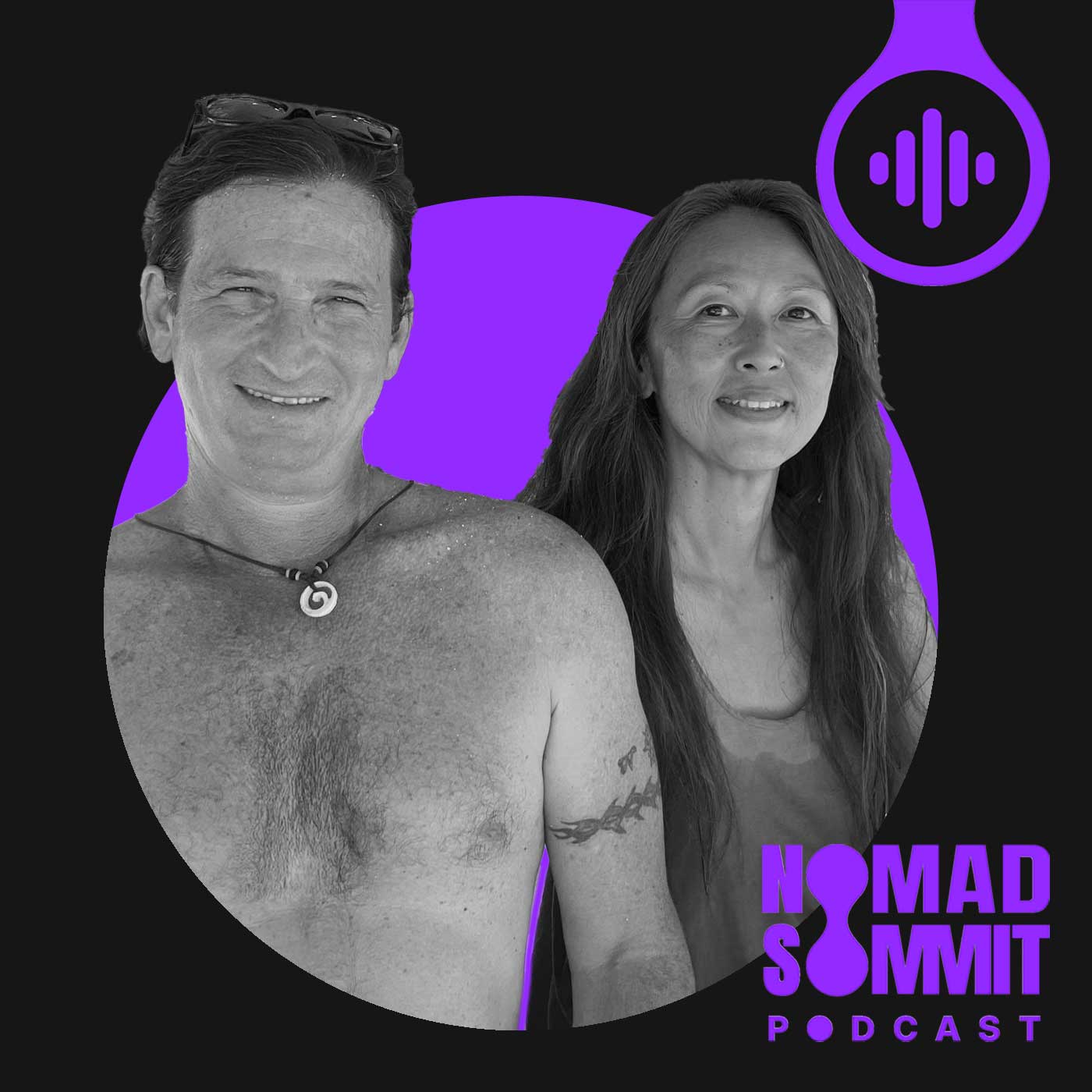
EP. 76 · Oct 2026 · 29 min
76 | Is Asia Becoming the Future of Digital Nomadism?
with Miho & Daniel Beck
Asia's digital nomad scene is evolving fast – and it's no longer just about Chiang Mai and Bali. From the Philippines to Japan, China, and beyond, new…
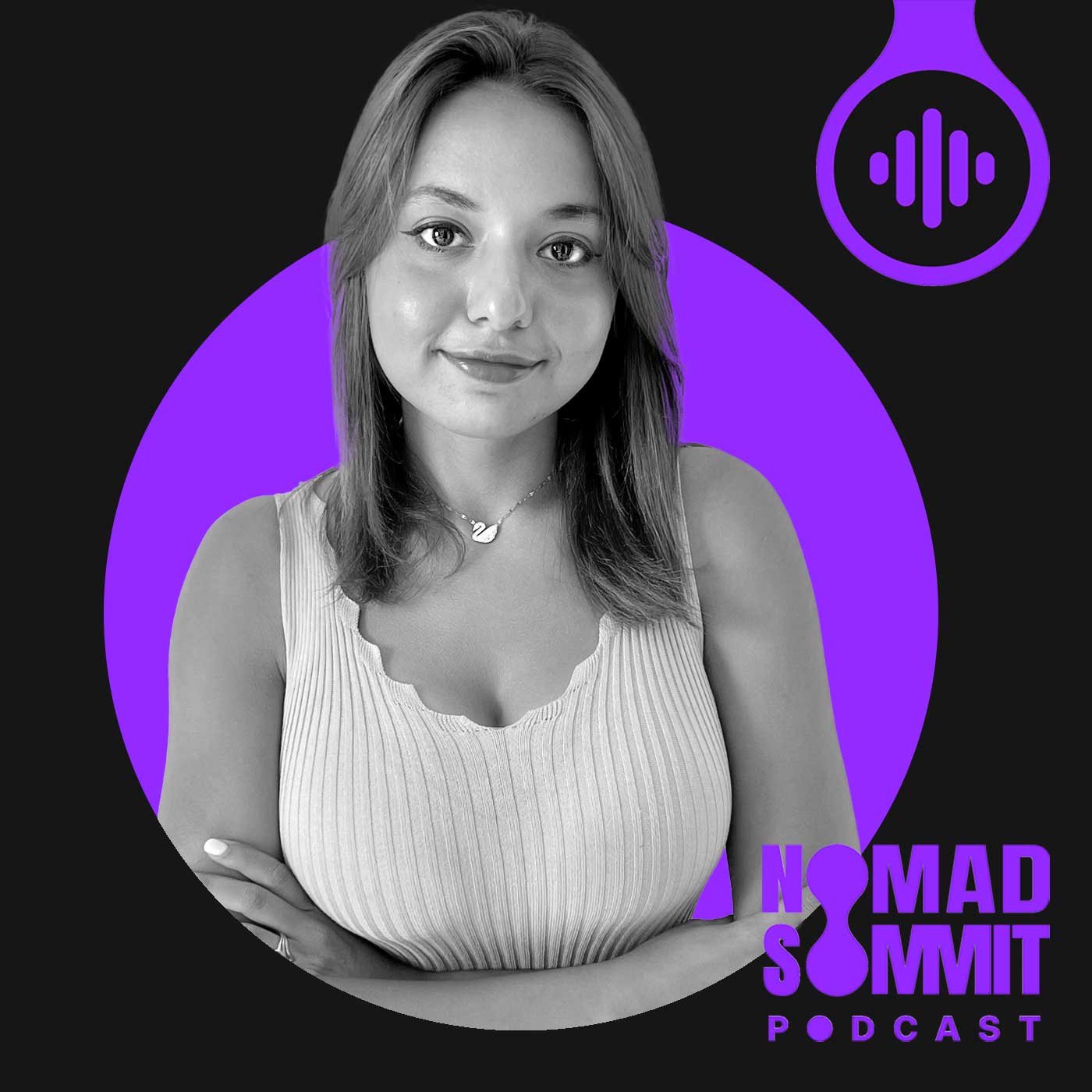
Oct 2026 · 29 min
75 | 70% of Her Team Is AI – Meet the Egyptian Entrepreneur Building an AI Empire
with Rania Esmael
What if you could run a business where 70% of your team consists of AI agents? And what if one of those agents even applied to be a guest on this podcast…
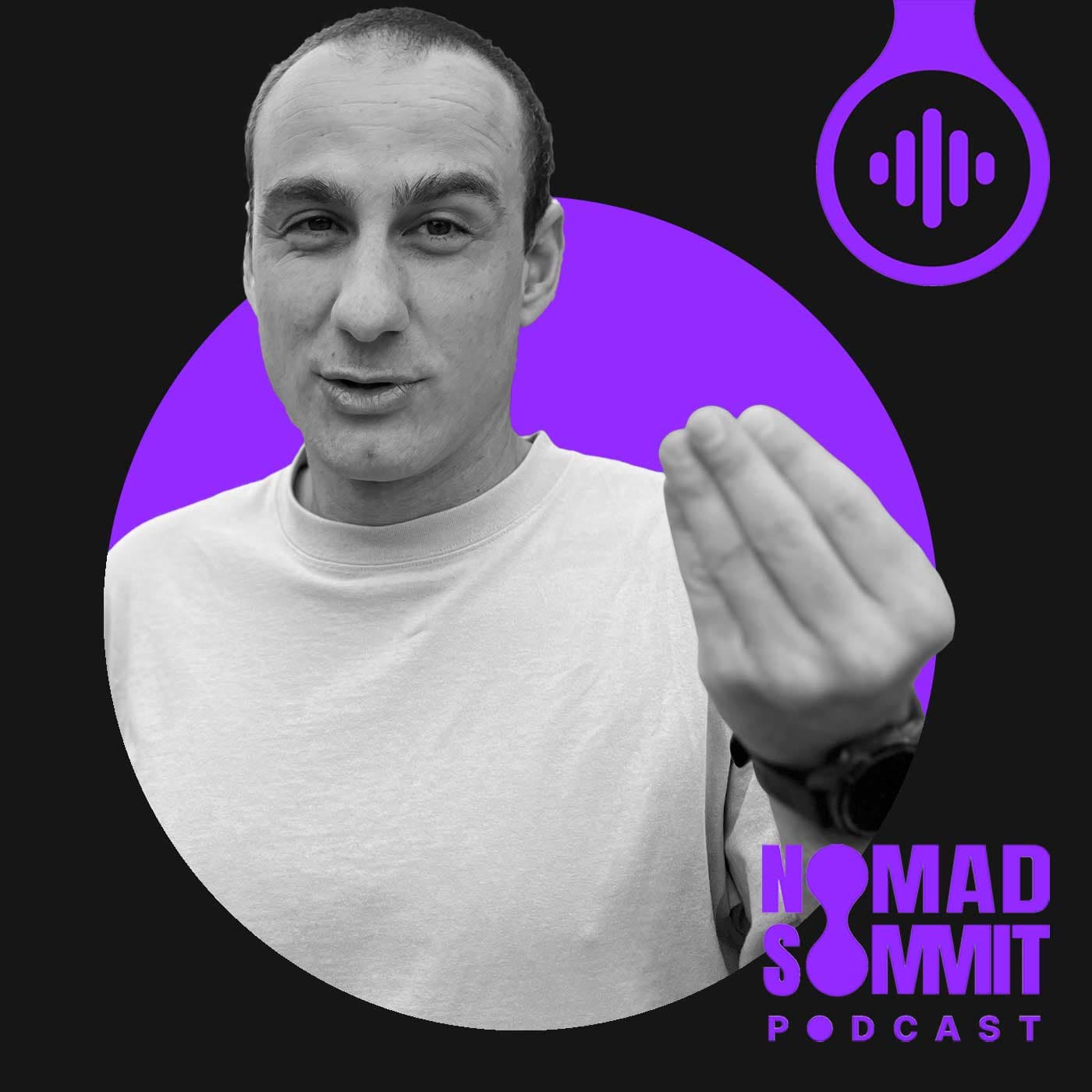
EP. 74 · Oct 2026 · 23 min
74 | Italia Nomad Fest: Building a Digital Nomad Community in Palermo
with Marco Traina
What makes a place feel like home when you're a digital nomad? Is it the weather, the food, the people, or something deeper? In this episode of the Nomad Summit…
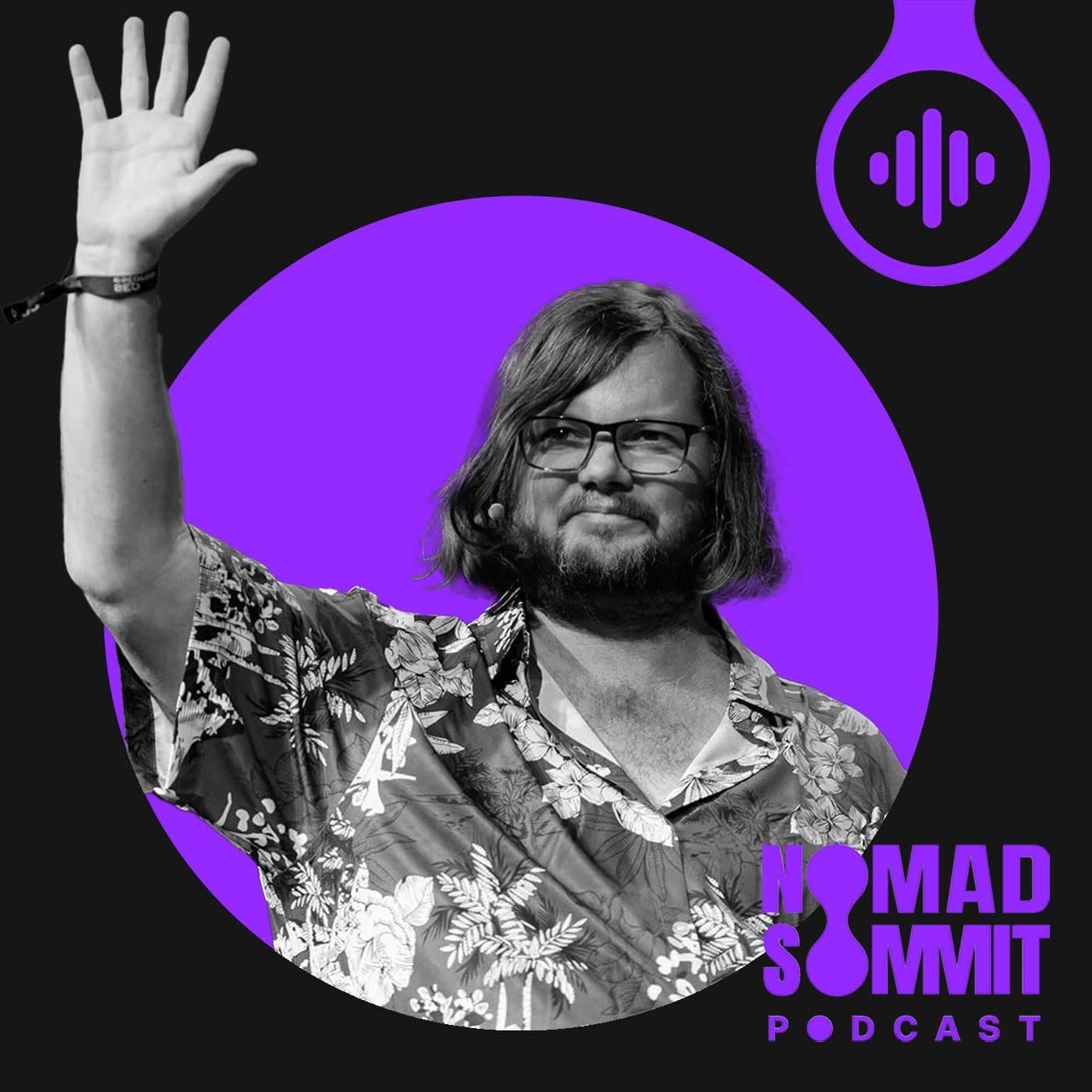
EP. 73 · Oct 2026 · 26 min
73 | Is SEO Dead? What Actually Works in the Age of AI
with Kyle Roof
Is SEO really dying, or is it simply changing again? In this episode, Palle Bo and Christoph Huebner sit down with SEO expert and entrepreneur Kyle Roof, who…
EP. 72 · Sep 2026 · 34 min
72 | Inside Nomad Summit: What's Coming to Chiang Mai 2027
with Christoph & Alexandra
What's changing in the digital nomad world – and what does that mean for Nomad Summit 2027? In this special episode, Palle turns the tables on his usual…
EP. 71 · Sep 2026 · 24 min
71 | From Homeless at 17 to Digital Nomad?
with Oliver Kuiz
Oliver Kuiz isn't joining us with a perfectly mapped-out digital nomad success story. He's right in the middle of trying to create one. After becoming homeless…

Never Miss an Episode
Get new episodes, event announcements, and nomad insights delivered straight to your inbox.