EP. 15 · AUG 27, 2025 · Emotions · Happiness · Joy
15 | Finding Joy on the Road – Patrick Farrell on Emotions, Mindset, and the Nomad Journey
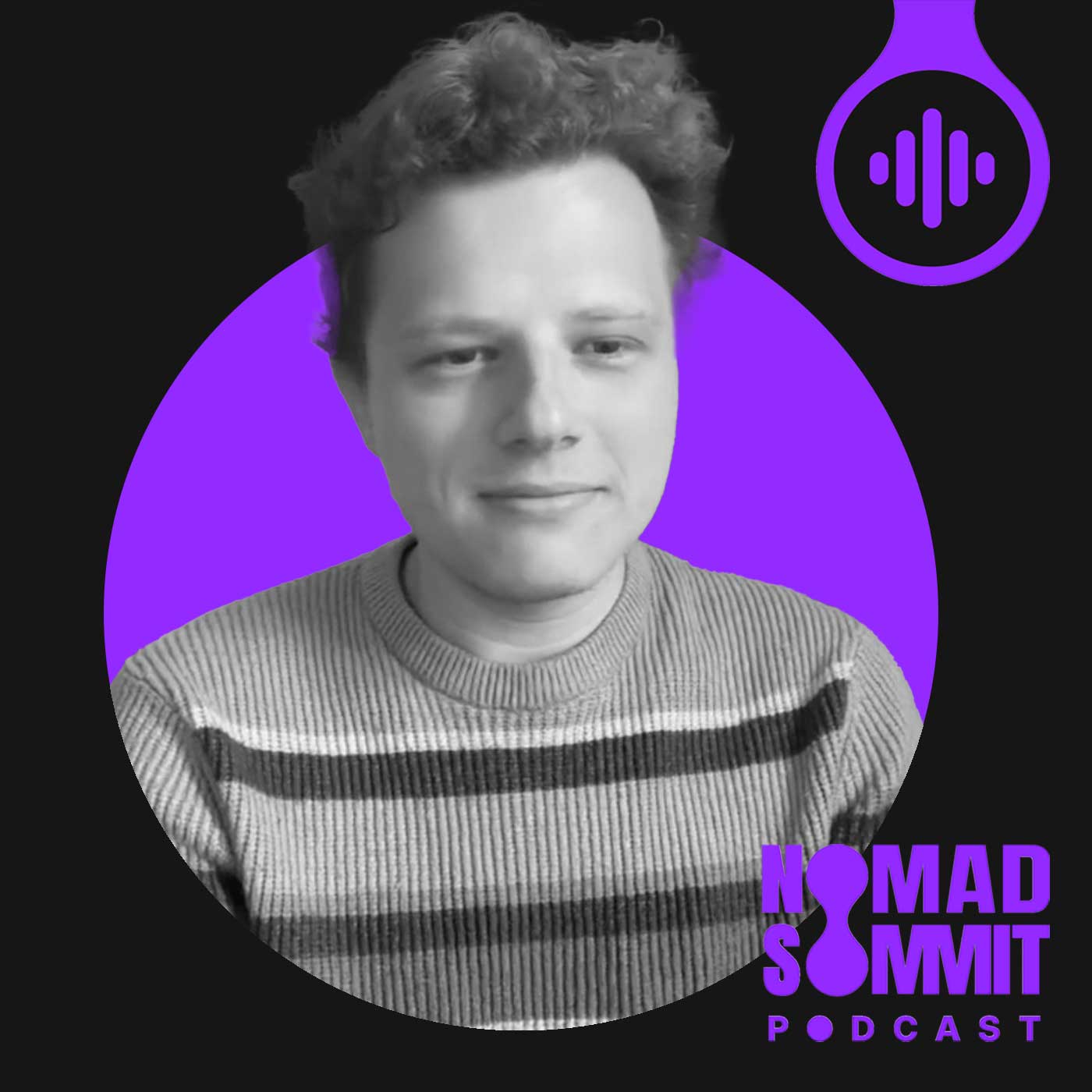
In this episode of the Nomad Summit Podcast, Christoph sits down with long-time digital nomad Patrick Farrell . Patrick shares how his journey from engineering in New York led him into the nomad world, and how the Nomad Summit and other community events became pivotal in his transformation.
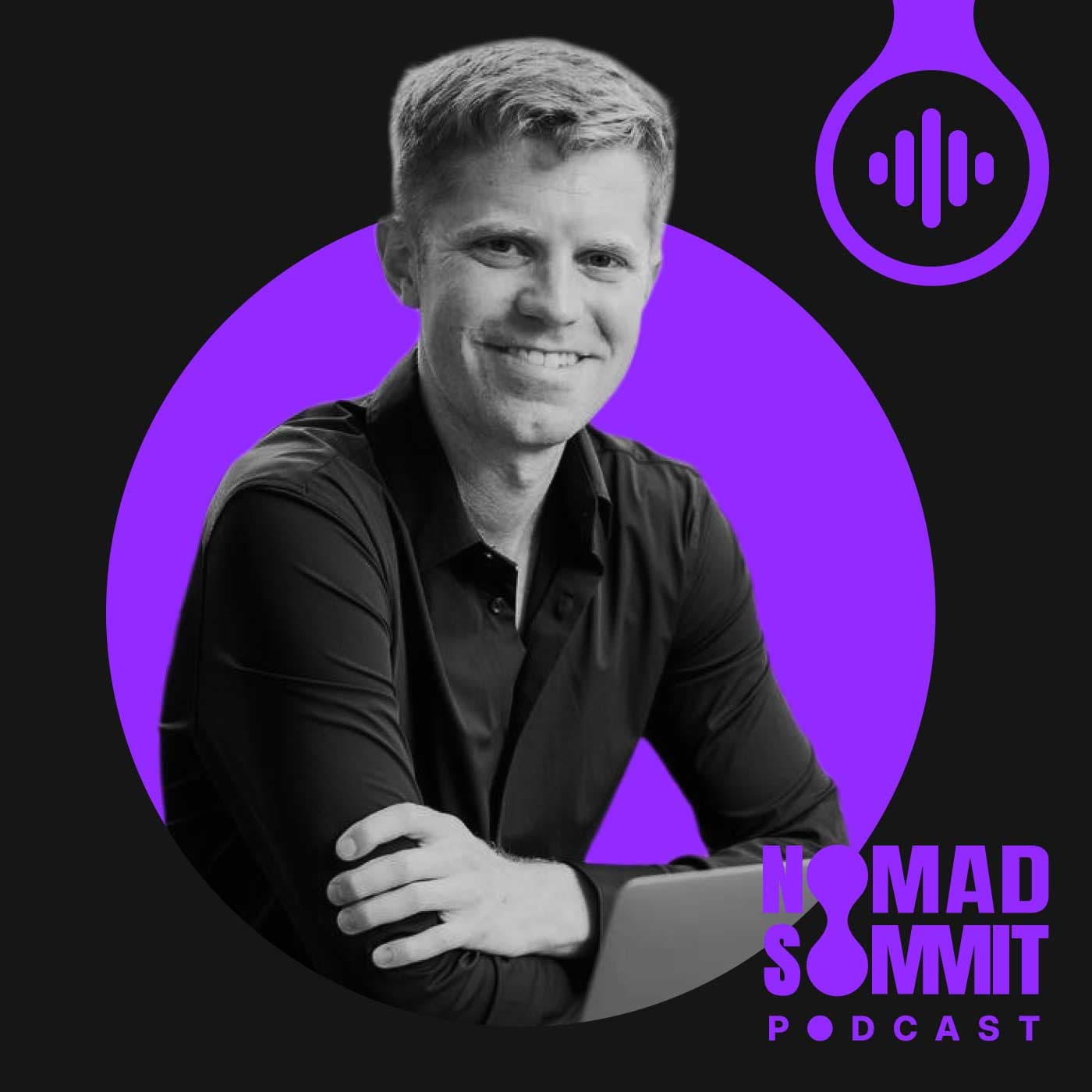
Patrick Farrell
A senior software engineer turned tech entrepreneur with a passion for catalyzing business growth.
15 | Finding Joy on the Road – Patrick Farrell on Emotions, Mindset, and the Nomad Journey
Show Notes
In this episode of the Nomad Summit Podcast, Christoph sits down with long-time digital nomad Patrick Farrell. Patrick’s story is one of transformation – from an electrical engineer in New York to building a thriving remote business and exploring the world as a digital nomad.
But beyond the business and travel side of the journey, Patrick opens up about something even more powerful: the emotional side of life on the road. He shares how community, music, and personal growth practices helped him shift from burnout and frustration into alignment, joy, and inner freedom.
From Burnout to a New Beginning
Patrick began his career as an engineer and software developer, working under a brilliant mentor in New York. While he learned a great deal, he eventually felt stuck, burned out, and unsure of what the next step should be. That was when he stumbled across the world of digital nomads, sparking a series of life-changing decisions.
The Power of Community
His first experiences at events like Nomad Cruise and later at Nomad Summit in Las Vegas showed him what was possible when surrounded by like-minded people. Being immersed in a supportive community of creators and entrepreneurs expanded his vision and helped him see that he could use his skills in new ways while also creating more freedom in his life.
Aligning the Inner and Outer Life
Despite living the “dream life” of traveling the world, Patrick realized that happiness doesn’t automatically come with external freedom. Internally, he was struggling. It was at Nomad Summit that he experienced a breakthrough moment – through music, connection, and a new environment – that showed him how to shift his mindset and emotions.
By learning to become his own best friend, practicing meditation, breath work, and emotional anchoring, Patrick gradually aligned his inner state with his outer lifestyle. This shift changed everything: his business, his relationships, and most importantly, his sense of joy and purpose.
Lessons for Nomads Everywhere
Patrick’s journey highlights a truth many digital nomads discover sooner or later: success isn’t just about making money online or traveling to exotic destinations. It’s about cultivating inner alignment and emotional resilience so that the lifestyle feels meaningful and sustainable.
He also emphasizes the importance of surrounding yourself with the right people, taking time to recharge, and using tools like meditation and mindfulness to reset when challenges arise.
Sponsors Note: GigSky
This episode is sponsored by GigSky, the global eSIM provider keeping digital nomads connected in over 190 countries. Whether you’re working remotely from a beach in Bali or a café in Lisbon, GigSky lets you stay online without the hassle of local SIM cards or overpriced roaming fees. We love their flexibility, transparent pricing, and how fast you can get connected – all from your phone and without changing the eSIM.
Bansko, Bali, Berlin – or even on a Cruise: Stay connected wherever your journey takes you.
Key Takeaways from the Episode
- Patrick’s first steps into the nomad community completely changed the direction of his life.
- Aligning your inner world with your outer lifestyle is key to lasting happiness.
- Music, festivals, and community can play a big role in emotional transformation.
- Meditation, breath work, and emotional anchoring are practical tools for daily life.
- Building a sustainable business is as much about mindset as it is about skills.
Listen to the full episode of the Nomad Summit Podcast wherever you get your podcasts or right here on the site.
See transcript
Christoph Huebner: [00:00:00] Welcome to a new episode of the Nomad Summit podcast today with Patrick Farrell. We are recording this in SCO at the side of the SCO Nomad Fest. Um, but it turns out that Patrick has quite an interesting story to tell that is well connected to the Nomad Summit, but also to a lot of other events in this community. So Patrick. Introduce yourself. Patrick Farrell: Uh, it's good to be here. Thank you for inviting me on your podcast and, uh, yeah, I'm excited. Uh, my name is Patrick. I've been traveling the world as digital nomad for about nine to 10 years, and it's been quite the journey to go from nine to five actually going on a nomad event that started to change my life as well as Nomad Summit was a, was a pivotal moment as well, so I'm excited to chat with you about it today. Christoph Huebner: When we prepared this podcast and had a conversation, it turned out there is probably something like two guys talking about emotions. Patrick Farrell: Yeah. Christoph Huebner: More about that later. First, uh, I want to learn more about your journey, [00:01:00] how you. Went to your first Nomad summit and where this brought you, where you are today? Patrick Farrell: Absolutely. So I am a electrical engineer by trade. I went to Virginia Tech and when I graduated I ended up going and doing a couple jobs. One landed in me in New York City and I worked underneath a PhD doing software development for about five years. I learned way more there than I ever learned in school. I actually love college, but uh, I learned a lot working underneath. That, um, my boss, who was a, a PhD student and he ended up building a very large company now. Um, but along that way he taught me a ton about software development and how to actually build software in a way that I think is very powerful and needed in the world. And eventually, this is kinda where the emotions come in, is I started to feel frustrated and overwhelmed and kind of like I plateaued in New York City and I was ready to make a change, but I didn't know actually what change I was about to make. And I took about [00:02:00] six months to figure it out, I would say, and I started to think, should I join the military, which I'm glad I didn't do. I started to think about going to get an MBA. I started to think about getting a job. And I didn't really know what was gonna be the next step yet, but I was frustrated. I was wanting to work out more. I was wanting to have a good life where I felt like I was doing a lot of really awesome stuff in the world. And I was just kind of like, it's not that I didn't like my job, I just kind of felt burnt out and like I wanted to do more. And it was actually on a business trip. I was in a hotel room somewhere on a business trip, and I saw an ad for Nomad Cruise, and as soon as I saw a nomad cruise, it was like. I jumped around the room, I was like. Elated. I was like, this is my ticket out and I kid you not. I like screamed and jumped on the bed and I booked the ticket then and there not even knowing how to tell my girlfriend I was gonna go not knowing how I was gonna tell my [00:03:00] boss what I was gonna do. It was just me getting excited about my next step. Christoph Huebner: That's an interesting story and I'm pretty sure Johannes would love that. Have you ever shared that with him? Patrick Farrell: I think I have, but not probably officially and probably need to chat with them more about it. Christoph Huebner: Little side note here, for those who want to, uh, have a similar experience to Patrick, uh, there will be a Nomad Cruise going in February, right after the next Nomad Summit in Chiang Mai. They will start in Singapore, um, and go over to Hong Kong. So. If you're considering, you can put these two things very well together and come to Chang Mai and then join the Nomad Cruise. But Patrick, what happened then? So you booked that ticket. Patrick Farrell: So I booked that ticket and it's interesting journey. 'cause I started to notice, actually not quite notice yet, but I started to notice along this journey that I was very much in the employee mindset when I left and. Going on that cruise was the first time I had been around people, um, that were building Airbnb [00:04:00] businesses and that were using their software development skills to travel the world. And I was pretty excited, to be honest with you. I was just really excited about what was. Possible. And I ended up on that cruise going from cart at Columbia to Portugal, and it was the first time I really saw a community and people just lifting each other up and saying like how they wanted to support each other. They wanted to help each other grow and make a podcast and, and do all things that allowed them to travel, have more freedom and make a bigger impact in the world. And. It was actually after the cruise, which was interesting too. That's kind of a part of a story where I had such an awesome experience in the cruise and then I landed in Europe and I kind of like went into depression for a little bit actually, which we can talk about in the emotional part because it was like this community thing was being ripped away from me. 'cause I had it for two weeks. We were in Lisbon and I ended up going on a hike in Centra and I started to ask one of the girls that was on the cruise with me, like, how did you build your business? How did you start to build your personal brand and actually start to put [00:05:00] yourself out there? And she taught me how she went from a thousand followers to 18,000 followers in 12 months, and that started a series of events as well where I started to make videos. I posted every day on Instagram for three times a day, and that was really cool because there was a guy on that cruise also. His name was Miles Beckler. He has a really great YouTube channel on online businesses. And he invited me because he saw me doing all these things to be his videographer in Thailand. And it was an event called the Abundant Circle, where we would really just in a much smaller environment, we would go to a villa in Thailand. And then we did it in Bali, uh, later and teach each other how to build online businesses, YouTube, Instagram sales funnels. And that was a bigger. Start of the transformation to actually build technology and start to use what I already knew. And that's a big part of what I want to teach in my programs too, is [00:06:00] I mentioned earlier. I thought about going to get an MBA joining the military. What I really needed to do was take a look inside of who I already was and leverage what I already knew, which at the time was software development. And I used software development to build a hundred thousand dollars or $150,000 a year business, uh, over the next nine years with what I already knew. Christoph Huebner: You mentioned that attending the Nomad Summit changed your life. That's how our, our conversation at the beginning of this week started. So what was this chain of events that you mentioned here? Patrick Farrell: Yeah, so I was living a really cool nomad life. I was starting to make, um, changes in my life. I was starting to build a business doing software development for different companies and. The thing was that internally I was not quite happy yet. Like I had this external like life that we were living and traveling the world and doing the fun things that you and I are both doing right this minute. Uh, but internally I was not super, super happy yet. Um, [00:07:00] and I ended up going to Nomad Summit in Las Vegas and that night. Those people that I met there started, or that event, and those people that I met there, we started to go to parties that evening. Um, we went to Encore Beach Club and saw Galati, and then the next night we went to excess Las Vegas and I started to meet people that gave me a new mindset. Gave me a new way and actually felt the emotions of what it's like to be in EDM, uh, environments and music – that night started to change my life in many positive ways. And that really gave me the tool to start to change my emotions through music. And then I, for the next year, I would go to raves and festivals and stuff like that. So it was about the. Environment that we were in, I think that's really important. We were in a fun environment for Nomad Summit. Um, the people I was with, I was with people that were expanding me, that were like giving me new ideas and then the music gave me a tool to start to reprogram my mind. And with [00:08:00] that. Tool. I started to reprogram these thoughts of like, you're stupid for breaking up with your ex-girlfriend, and all these things that were going through my mind and I started to reprogram and become my own best friend in inside of my head. And as soon as I started to become my own best friend inside of my head, my external life where we were having this nomad life and my internal life started to match up and I started to have a much better experience of life and. The quality of your life is the quality of your emotions. So as I started to change my thoughts and my emotions, everything else got better. Christoph Huebner: That sounds like a full concept. It doesn't sound like you just had this realization and then all of a sudden everything was different. There was like a, a starting point to this, like this kickoff around Las Vegas Nomad Summit, but. Also from the, the words you use, I get the impression that there is some kind of science or research behind that. So you duck into the matter of immersive as we talked about, like your emotional home in the range [00:09:00] and these kind of things. It's not just like all the. Result of your very own internal process? Patrick Farrell: No, it started to open a doorway, so I didn't know that that level of emotional happiness was available to me until that night. Just really brought out this like new level of happiness in my life that showed a door. And from that doorway I started to connect with people and a series of synchronicities actually, where I ended up living with the girl. Her name was Christine. I met her at Nomad Summit and she had a co-living house in Los Angeles. And I ended up living at her co-living house in la and then because it was a bunch of entrepreneurs living together, 'cause it was an entrepreneur co-living house, they were all very excited and they all invited me to go to Tony Robbins, “Unleash The Power Within”. And you mentioned the science. That's where I started to really learn more about the science, the internal beliefs, the subconscious mind, the reprogramming of everything that's going on in your mind. 'cause if you're constantly thinking in the past, which I was, what I was doing, I [00:10:00] was beating myself up about my ex-girlfriend and. I couldn't live in the present and I couldn't create from the present moment. So that started a series of events where I went to Tony Robbins, I went to Mind Valley, and also Dr. Joe spends a few years later, which he's really a really good resource for anyone that wants to understand more about the science 'cause he teaches you about the science of it. Christoph Huebner: Sounds like we have a lot of links for further research to put into the show notes for sure. So yeah, find them in the, in the show notes and in the blog post on nomad summit.com. We will add all that, uh, that you as a listener can also put yourself into a new state of happiness after studying a little bit of psychology through all these, uh, all this material. And so how long did this process take? Patrick Farrell: It's still ongoing. I think it's a lifelong process to be honest with you. But once you realize you're on that process and you're on that journey, it starts to become more of your daily life and you start to recognize your own thoughts, your own emotions. [00:11:00] And like I said earlier, the quality of your life is the quality of your emotions. So if you're frustrated every day, if you're not feeling in alignment, if the thoughts that are going through your brain are not aligned with their how you're feeling. There's something that might be off, and that was what was off for me at the time, was my ex-girlfriend meets the life that I wanted. So there's something called the scale of consciousness, and I started to learn about this. I started to learn about shame and guilt frequency emotions. The, uh, frustration or neutrality or joy, these are all different states of being that we don't often take time to consciously become aware of how we're feeling in the moment. Does that make sense? Christoph Huebner: It makes a lot of sense. And especially with, uh, in connection with the con the conversation we had, uh, prior to this recording when you talked about the emotional home, like the place where a person. Usually is, um, on that scale. Yep. So do you want to elaborate a little bit on that? Patrick Farrell: Yeah. So your emotional home is kind of like your [00:12:00] average throughout the day, I would say, and it's kind of like a default set point for where you live on a daily basis. So if your default emotional home is, let's say, anger, your quality of life might not be the best. I'm not gonna judge you and say that that's right or wrong, but usually people don't like to feel anger on a daily basis. Right. Now if you could change that and feel neutrality or joy or even boredom would be higher than anger, right? Like it's better to feel bored than it's to feel angry. So as you start to rise up, you can. Have a better quality of life. And I now get joy out of doing this podcast. It feels good to sit here and do this podcast, right? Like we are literally looking out at a beautiful mountain in banks. Go right now as we record this, and I feel like this is like a dream come true. Christoph Huebner: And yeah, unfortunately this is an audio podcast. Uh, but we'll put some pictures around [00:13:00] the, the blog post on nomadsummit.com. Patrick Farrell: And this would've been a dream come true a while ago. So remember back to when I previously had quit my nine to five. I was feeling frustrated, angry every day. I rarely feel that today, right? Like that was my default state. And today it's joy, love. It's not to say you'll never go down there. That's not what anybody should be taking away with this. It's a rollercoaster, but it's where is the average set point and how can you continue to rise that average set point? Because as you rise that you get to show up in your life in a different state of being that allows you to do more stuff, that allows you to have more fun experiences, that it allows you to serve more people and run a business that gives you more freedom. Christoph Huebner: If you imagine now a listener of this podcast who is currently in a nine to five red race and has realized that he or she wants to make a step out of this, what would your suggestion be for a [00:14:00] starting point to look and learn and maybe take the first step of action? Patrick Farrell: Yeah. So if they were gonna take the first step of action, I would start to become aware of how they're feeling every day, and notice if they are frustrated. It's part of your intuition. If you are feeling frustrated every day there's something off that. The universe, a higher power or your own emotions are just guiding you to make a change. Whatever you believe in, and that was me listening to that. You'd have to just take a moment and pause and notice, am I feeling frustrated more often than I would like to? Am I feeling? Joy, or am I loving my life or am I complaining? That was one thing that I started to notice was I would complain about my work, even though I didn't mind my job. It was just more the experience of being there and being tied to a nine to five and not doing what I really wanted to be doing that would make me complain about everything, and then that complaining energy would [00:15:00] actually radiate into my coworkers and stuff like that, and that really wasn't helpful for the business either. So I would say first is become aware of how you're feeling on a daily basis. Christoph Huebner: And I guess when you, when you talk about like the complaints towards your coworkers, it's also. A lot about the environment and if the, the people around you are in a similar or even worse state of mind, that's like a downward spiral. Yes. So the people that you surround yourself with have a huge influence on that as well. So if you surround yourself with people that are on a similar or higher level of emotions, that will rather lift you up. Patrick Farrell: Absolutely. And like. People can inspire you to go out and travel the world and be that amazing entrepreneur, or even just give yourself a little more freedom, that little inspiration saying you can do it, versus maybe someone else in your life saying, I don't believe that that's possible. Right? It doesn't feel as good to tell someone, Hey, I want to go build my own business. And travel the world, and [00:16:00] then your best friend of 20 years is telling you, are you really sure you can do that? I don't think that's possible, right? It doesn't feel as good as someone else that's in our community saying, of course you can do that. Here's like some tools and resources and stuff you can learn and how to take your ideas to life. It feels expansive when we do that. Christoph Huebner: And adds also the beauty of this community and this lifestyle. And I've been fully location independent and a perpetual traveler for now, more than eight years. And people often ask me like, aren't you getting tired of this? Do you wanna settle down one day? I'm like, hell no. I'm celebrating this lifestyle every single day. And. In the end, it comes down to having a right balance of places that I want to return to, that feel home for me, that's Estonia. For example, I spent, for the last eight years, I've spent every single summer, two or three months in Estonia. Uh, returning to Chiang Mai to Thailand is such a thing. But balancing this with exploring new places, so like the joy of meeting old friends. And you talked about the, this [00:17:00] joyful moment of sitting here in this. Balcony with this beautiful mountain view, and I totally resonate with that as well as with, for example, coming back to Chang Mai, the season for the first time since COVID, and going back to a cafe where I, in the last seasons before COVID, when I went to Chang, Mai went like twice a week for breakfast and I hadn't seen these people in like yeah, five years. And I walked in, the owner of the cafe smiled at me, asked me same like every time, and I was like. How can you remember what did, what did I have? Every time he's like, yeah, the french toast, the flat white, and this mix of juice of, uh, lime, passion, fruit and watermelon. I was like, wow. Patrick Farrell: Yeah. Christoph Huebner: And then he greeted me with a hug and I sat down and I had this smile in my face for the rest of the day or the rest of the week. So these joyful moments that also come with his lifestyle of changing your environment, meeting new people, coming back to old places, catching up with friends, and then having. This, this big, big community that we now here have at the Ska [00:18:00] NomadFest that we mentioned, the Nomad Cruise, the Nomad Summit Community, people that. Meet for the first time and then meet again the next year and catch up and exchange and share all their tips and travel tips and experiences and inspire each other. Like, I've been to this place and the other one's like, oh, wow, I wanna see that as well. What's your best tip for accommodation? Uh, food, uh, hiking, whatever. So this abundance of ideas, mutual inspiration, mutual empowerment. And in addition, of course, like supporting each other with business inspirations and best practice tips and insights. Patrick Farrell: And I wanna give you, uh, the audience one more tip and tool is as you travel and do these things, what he just mentioned is it's creating what's called an emotional anchor. And that emotional anchor. When I was at Nomad Summit in Las Vegas where I was. Joyful and expansive at that party. I can take a moment and close my eyes and go back to that moment. Right now I can pull myself back into those emotions. Christoph Huebner: That's beautiful. Patrick Farrell: You can create an emotional anchor where [00:19:00] you were in that cafe in Chiang Mai and you can visualize yourself and you are walking in there and you are like having that person remember your order and stuff like that. It feels good and I've been in states like The Entrepreneur Journey is the biggest personal development journey. That you can go on and it can feel really low at times, and you feel frustrated and overwhelmed. And one thing I do sometimes is I'm on an airplane going to another place. I'll literally go through my phone and just scroll through the history of my life with all these pictures and videos and just feel back into all these previous experiences that raises my emotional state and makes me grateful for this life, and then I can feel better right now. Christoph Huebner: That's very smart. And a little daily practice, hands-on tip. Do you have more of those? Patrick Farrell: Sure. I mean, like, it would probably be longer than you wanna talk about fully on this podcast, but we can do another one for sure. But, um, mindfulness meditation meditation's huge. Um, I listen to a lot of. Meditation each morning, [00:20:00] uh, or even going to sleep at night. If you can start your energy, start your day with the right energy. Christoph Huebner: What do you mean with listen to meditation? Patrick Farrell: Okay. So there, uh, a lot of people, that's a good point is a lot of people think meditation is just. Calm your mind and focus on your breath, and there is what's called guided meditation. I find guided meditation a lot easier. You can go on YouTube and find meditations that will basically guide your mind towards gratitude or towards different experiences. Mindvalley has some, I'm a certified Mindvalley coach myself. There are different meditations on YouTube or as well as different apps that you can download and it'll guide your mind and just like. I was saying those thoughts create the feelings in your body. Well, if you take yourself out of the thoughts, let's say for a minute, it's actually interesting. This particular thing is what started to get me really out too, of these negative thoughts around my ex and that stuff. After Nomad Summit, I also had this experience where [00:21:00] I was like by myself in an Airbnb and I was a bit overwhelmed and my mom said, go meditate and that actually really helped me. Like meditation started to help me every day and that was a, a big tool. Christoph Huebner: And also the advice of mom is usually a good one that you should listen to. Patrick Farrell: Yeah. And, uh, breath work, meditation, yoga. Yoga's huge. Just being around people that want to do stuff. I also think taking time for yourself in the nomad community, everybody's like, we always must go out and party and meet everyone, and I have done very little of that this week actually. I've gone and done the talks and things like that, and I took time for myself to meditate and make sure I was feeling good. Christoph Huebner: Totally resonate with that. I guess the organizers wouldn't like that too much, but I have this week, uh, just attended one single talk. Yeah. And none of the “unconferences”, which I feel a little bit guilty because that's a huge value here at the Bansko NomadFest Patrick Farrell: It's taking care of [00:22:00] yourself. Like if you're essentially a battery, right? And some days that battery feels expansive and you can go out and talk to everyone and things like that. And some days you're feeling like you want to go back and reset your battery and recharge it just like you plug in your laptop. So I think that's important to also take time for yourself to make sure your batteries are high so that you can best take advantage of those parties and those. Talks and those meetings when you are in person. Where are you traveling next? From here? I'm actually running a retreat in Croatia, so we're gonna take a few days to get to by land. I was like, I don't really wanna get an airplane right now, so I'm gonna, uh, travel by bus to, um, Zagreb. And then we're taking a train to split and we go around the islands and. Just like actually Nomad Cruise was kind of this inspiration. I love taking people on boats and talking about these type of conversations that we're having right now on the water. Um, so we're doing a very mini version. Um, there and then, I don't know. Christoph Huebner: So you go on a sailboat? [00:23:00] Patrick Farrell: We go on a sailboat. Yeah. Christoph Huebner: Funny thing. Yeah. Um. We have just recorded an episode with Orest Zub of Nomad Mania, actually on a sailboat in Croatia last week. Patrick Farrell: Well, there's a good synchronicity or coincidence, right? Christoph Huebner: Yeah. Uh, I'm a sailor myself. I'm a skipper, so I took some friends on a sailboat. And for those who have not listened to that episode, highly recommend. August is, uh, one of those extreme travelers who, um, like to explore places where not many people go or visit all countries in the world. And we went to the most remote of the, uh, Croatian islands that is closer to Italy than to Croatia. It's called Pagosa. And if you wanna hear more about that, tune into the episode with os. Patrick Farrell: And I think we talked about that a little yesterday too, is like, I didn't know you were a skipper, so maybe we can do a, a little nomad summit, uh, trip with a bunch of people. That would be cool. Christoph Huebner: Actually, we are considering this right now, so it's, it's not a, [00:24:00] a promo or a launch, but maybe a little test of the audience we were thinking, um, as we are partnering with Dimitrius and, uh, Marcos and Masa and Lotus of the Athens Nomad Fest. That, uh, we would under the Nomad Summit brand, maybe charter a boat for a week after that last week of September, just. A small sailboat, four cabins and bring people who are interested in that, just share the cost. So if you are interested in, as a listener here and joining us sailing a weak, uh, Greek islands, drop us a note because we will probably not put that out on the website publicly, but just see who comes and joins and, uh, then we can build together. Patrick Farrell: It's a very powerful experience, and that's what we're doing in Croatia, is we do yoga, meditation. We'll have a lot of fun, but we also take care of ourselves and work on our health and wellness. Christoph Huebner: In the end. I love sailing so much because it's quality time with people. Yep. If you sit down with a crew, last two weeks, we were [00:25:00] eight people on the boat. That's already like on the upper end of the scale, but if you're halftime sailing, that's. Where you have a lot of time to have, uh, deep and meaningful conversations where you make food together, where you explore. So that's where you really get to know people and where you can get down to the bottom. I love it. I mean, not with a boat Patrick Farrell: down to the bottom of topics. Absolutely. It's a meaningful experience to be on water and taking time with people. I think that's something that's actually missing in the world. I think that's why people feel disconnected right now, is they don't have as much meaningful time and as the world goes in this AI age and everything like that, it's even more important to do stuff like we go on a boat together and and connect. Christoph Huebner: Funny enough for me, it's one of the, um, the main motivations behind bringing back the Nomad Summit behind running all this and expanding the brand and connecting with people is to kind of counter AI the belief that people that. Are surrounded by AI agents more and [00:26:00] more will have also to counter this more and more, the urge for real connections for in-person events. That's also one of the reasons why we, for example, don't livestream Nomad Summit. This is an in-person event. You come there not only to listen to the talks, but to build these. Meaningful connections with the other people there. Patrick Farrell: Absolutely. And I think that there's gonna be an interesting time where we can leverage tech to make more money so we can grab more freedom, so we can actually be in person more. And that's what I'm all about. Christoph Huebner: Perfect. Patrick, if people want to catch up with you. What's the best way? Patrick Farrell: So I have a website and an Instagram that are the same. @PatrickFarrell.life. That's both my Instagram and my website. Wait, put the links into show notes. You can just click and um, yeah, that's probably the best way. Uh, you can connect me the LinkedIn as well. Christoph Huebner: Thank you so much for sharing all these, uh, thoughts and stories. Patrick Farrell: I appreciate it. Thank you for having me, and thank you for creating and expanding this community and this platform that has actually made a [00:27:00] big impact on my life Christoph Huebner: with great pleasure. Thank you so much and see you next week.
Keep Listening
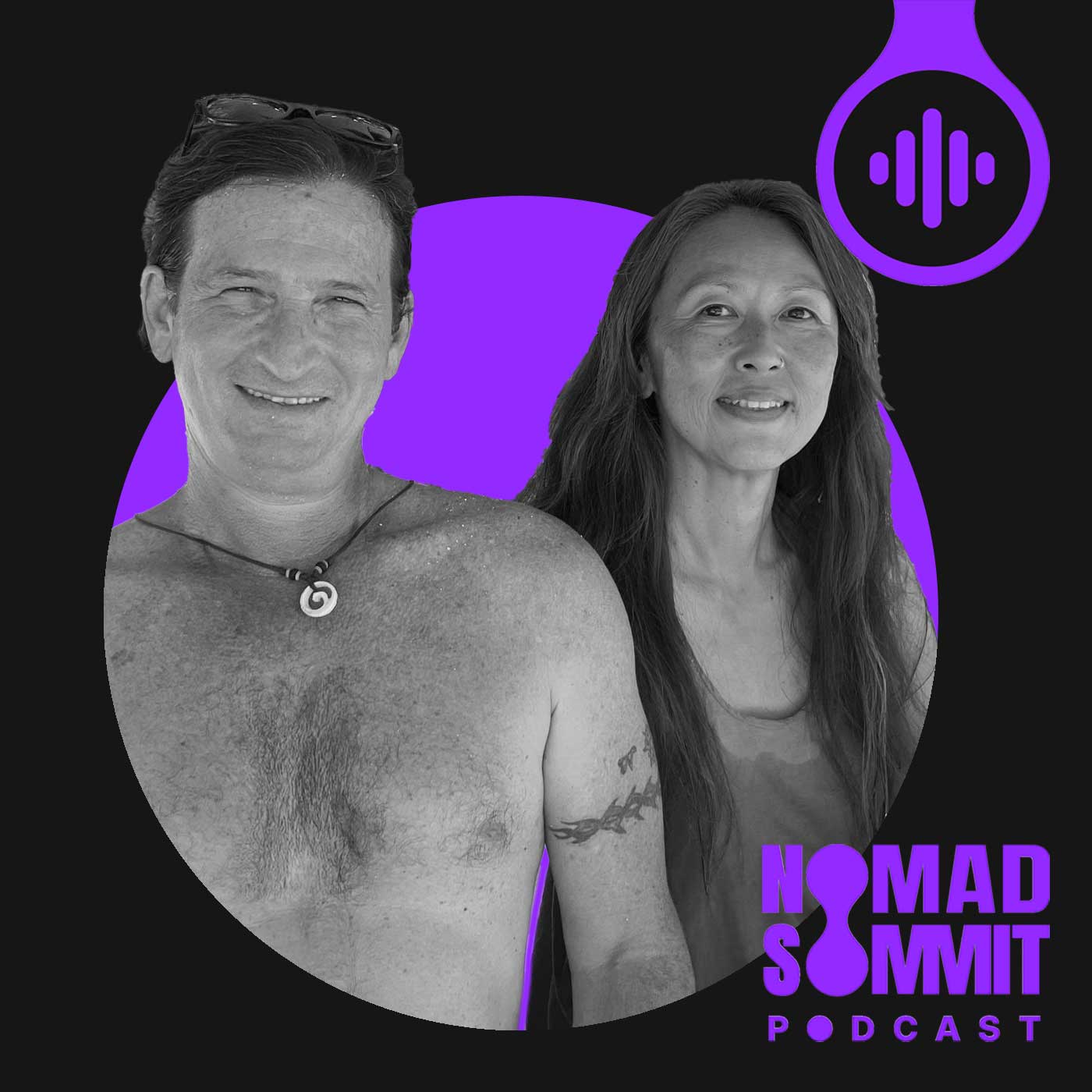
EP. 76 · Oct 2026 · 29 min
76 | Is Asia Becoming the Future of Digital Nomadism?
with Miho & Daniel Beck
Asia's digital nomad scene is evolving fast – and it's no longer just about Chiang Mai and Bali. From the Philippines to Japan, China, and beyond, new…

Oct 2026 · 29 min
75 | 70% of Her Team Is AI – Meet the Egyptian Entrepreneur Building an AI Empire
with Rania Esmael
What if you could run a business where 70% of your team consists of AI agents? And what if one of those agents even applied to be a guest on this podcast…
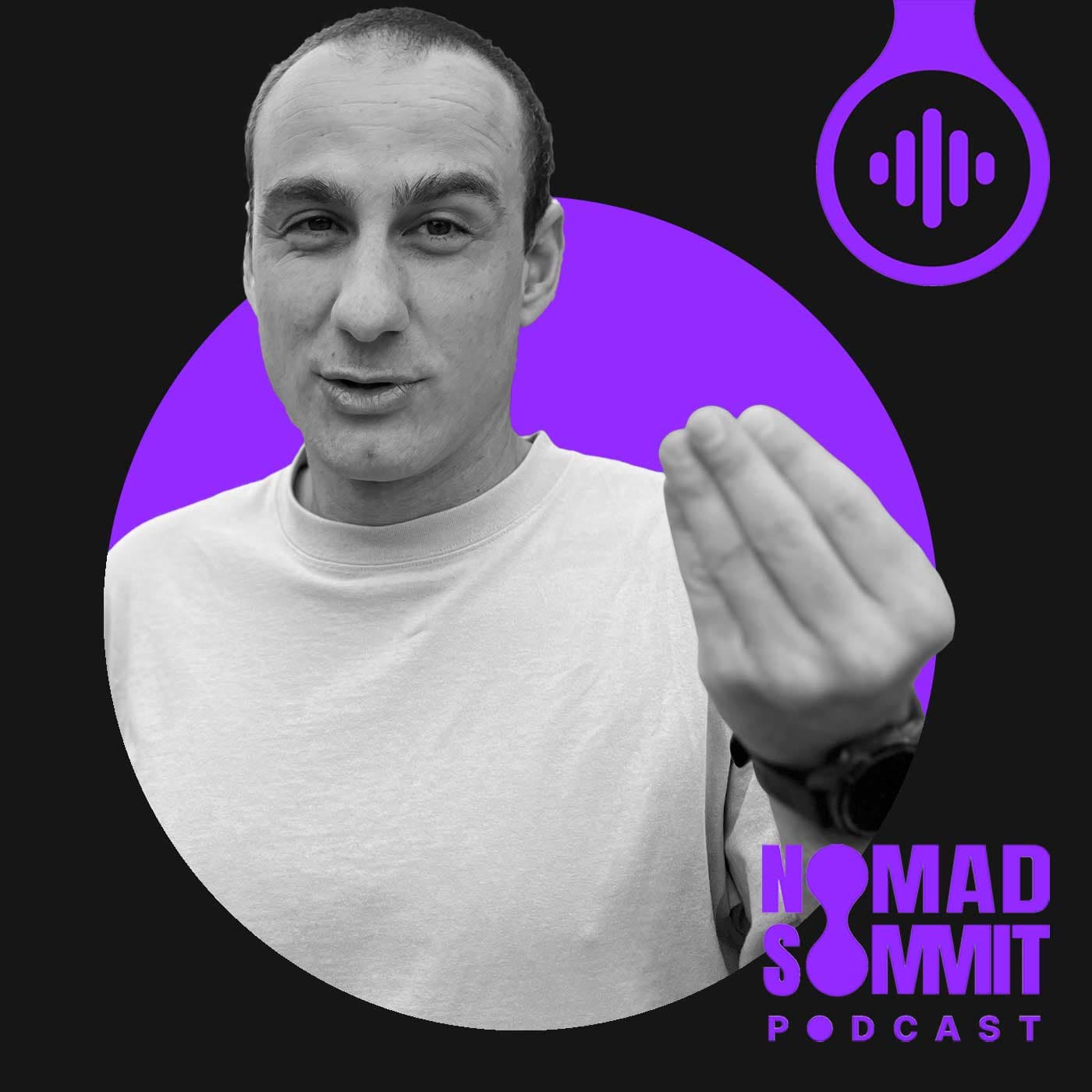
EP. 74 · Oct 2026 · 23 min
74 | Italia Nomad Fest: Building a Digital Nomad Community in Palermo
with Marco Traina
What makes a place feel like home when you're a digital nomad? Is it the weather, the food, the people, or something deeper? In this episode of the Nomad Summit…
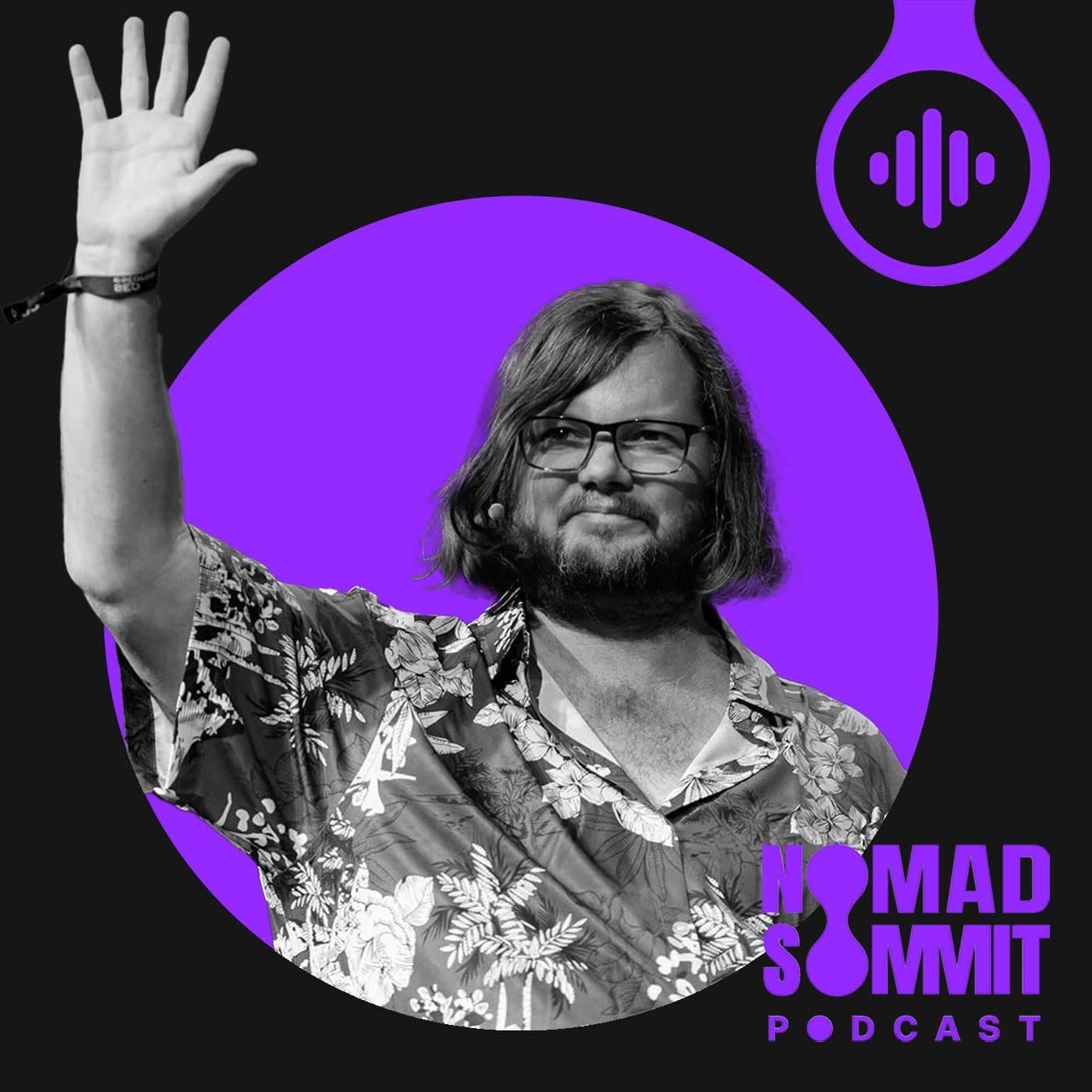
EP. 73 · Oct 2026 · 26 min
73 | Is SEO Dead? What Actually Works in the Age of AI
with Kyle Roof
Is SEO really dying, or is it simply changing again? In this episode, Palle Bo and Christoph Huebner sit down with SEO expert and entrepreneur Kyle Roof, who…
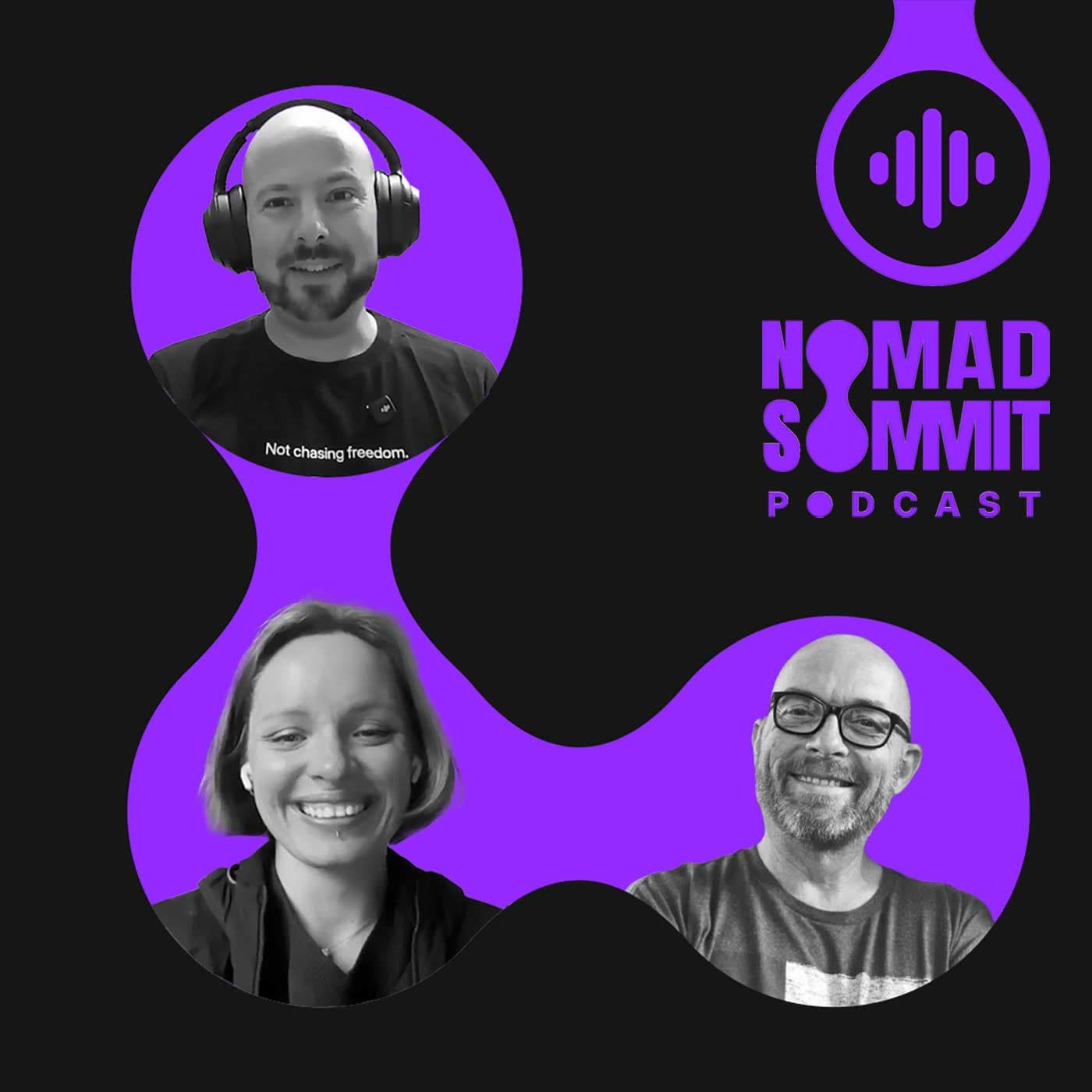
EP. 72 · Sep 2026 · 34 min
72 | Inside Nomad Summit: What's Coming to Chiang Mai 2027
with Christoph & Alexandra
What's changing in the digital nomad world – and what does that mean for Nomad Summit 2027? In this special episode, Palle turns the tables on his usual…
EP. 71 · Sep 2026 · 24 min
71 | From Homeless at 17 to Digital Nomad?
with Oliver Kuiz
Oliver Kuiz isn't joining us with a perfectly mapped-out digital nomad success story. He's right in the middle of trying to create one. After becoming homeless…

Never Miss an Episode
Get new episodes, event announcements, and nomad insights delivered straight to your inbox.