EP. 29 · DEC 3, 2025 · Asia · Colive Fukuoka · Japan
29-inside-colive-fukuoka-with-ryo-osera
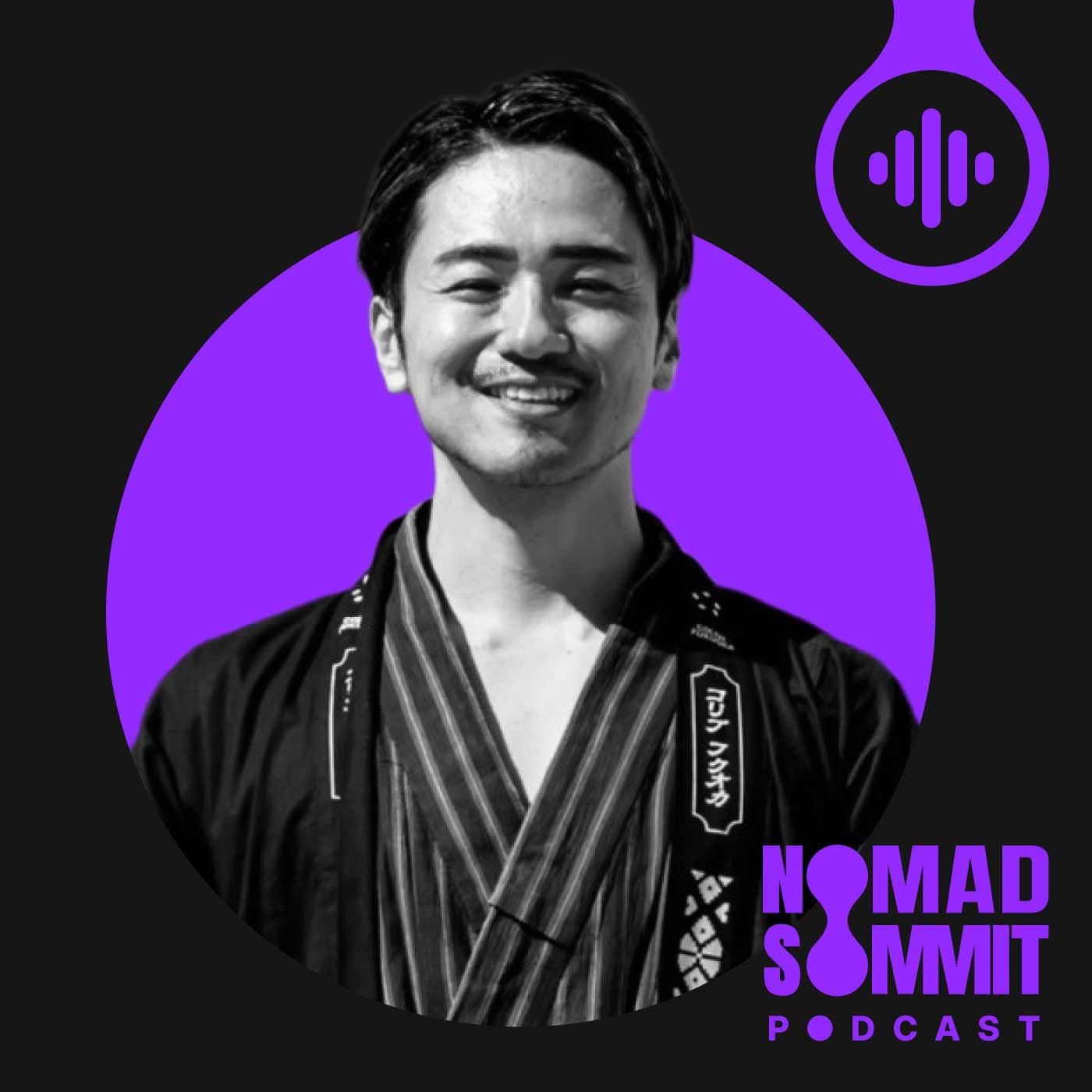
Colive Fukuoka is one of Japan's most forward-thinking coliving communities, designed to help digital nomads and remote professionals experience Japan in a more meaningful and community-driven way. Based in the heart of Fukuoka, the initiative offers curated stays, cultural immersion, connections with locals, and a structured way for nomads to experience Japan beyond short-term tourism.
29-inside-colive-fukuoka-with-ryo-osera
Key Takeaways
- Japan is becoming more open to digital nomads, with new initiatives improving conditions for international remote workers.
- Fukuoka is emerging as Japan's digital nomad hotspot thanks to its openness, entrepreneurial energy, accessible cost of living and supportive local government.
- Colive Fukuoka blends coliving, coworking and local immersion, with a focus on relationships and everyday life in Japan.
- Ryo Osera moved from working in the Japanese Prime Minister's Office to building coliving communities that help Japan benefit from global talent.
- Japan can benefit from welcoming global workers who bring knowledge and creativity.
Show Notes
In this episode of the Nomad Summit Podcast, we sit down with Ryo Osera, co-founder of Colive Fukuoka and CEO of Yugyo inc., to explore how Japan is adapting to the global shift toward remote work and why Fukuoka is emerging as one of Asia’s most interesting new nomad hubs.
Colive Fukuoka has quickly become one of Japan’s most innovative offerings for digital nomads. Based in Fukuoka on Kyushu Island, the project blends coliving, cultural experiences, and community building into one cohesive program. Unlike short-term tourism, Colive Fukuoka invites nomads to stay longer, connect with locals, join curated activities, and experience Japan in a more human and sustainable way. The initiative also works closely with the Japan Digital Nomad Association to position Fukuoka as a welcoming base for global remote workers.
From Government Work to Global Nomad Advocate
Ryo’s path into the nomad world is anything but traditional. Before building coliving communities, he worked inside the Japanese Prime Minister’s Office, focusing on public policy and social issues. That experience reshaped his view on how Japan should engage with the world and led him to a conviction that the country needs to open up to new ideas, new people, and new forms of work.
His transition into the digital-nomad space was driven by a desire to help Japan evolve. By creating opportunities for global nomads to live, work, and contribute in Japan, he hopes to spark cultural exchange, innovation, and long-term connections between visitors and local communities.
What Makes Colive Fukuoka Different
Colive Fukuoka is more than accommodation. It is a curated experience that blends coliving, coworking, and local immersion. Participants are encouraged to engage deeply through activities, workshops, cultural sessions, and meetups with residents. The goal is to help nomads understand Japan on a deeper level while also allowing locals to learn from global talent.
Rather than focusing solely on tourism, the project fosters relationships and everyday experiences. This focus on connection is one of the key elements that sets Colive Fukuoka apart from other nomad hubs in Asia.
Why Fukuoka Is Becoming Japan’s Nomad Hotspot
Fukuoka has long been known in Japan for its openness, entrepreneurial energy, and quality of life. Over the last few years, it has also become a testing ground for projects aimed at international creatives and remote professionals.
Ryo explains why Fukuoka is so well positioned for the nomad community. The city offers an accessible cost of living, friendly neighborhoods, and a government that is unusually receptive to experimentation. It provides the ideal environment for long-stay visitors who want both modern convenience and authentic local culture.
Japan’s Evolving Approach to Digital Nomads
Japan is not traditionally seen as an easy country for remote workers, but that perception is beginning to change. Ryo shares how several initiatives are now pushing for improved visa options, partnership programs, and structured ways to connect nomads directly with local communities.
This shift reflects a broader recognition: Japan can benefit from welcoming global workers who bring knowledge, creativity, and new perspectives. Colive Fukuoka is at the forefront of demonstrating how this can work in practice.
The Future of Yugyo and the Nomad Ecosystem in Japan
Through Yugyo inc., Ryo and his team are developing projects that connect nomads across different parts of Japan. Their vision is to build a nationwide ecosystem where remote workers can move between communities, contribute through skills-based volunteering, and form long-term ties with the country.
The ambition is not only to attract nomads but to ensure they have meaningful opportunities to engage with Japan. This includes initiatives that match nomads with local entrepreneurs, cultural organizations, and community leaders.
A New Way to Experience Japan
For many digital nomads, Japan is a dream destination but can feel difficult to access. Colive Fukuoka aims to change that by offering a soft landing and a built-in community. Whether you’re curious about long-term stays, want to learn more about Japan’s emerging nomad programs, or simply want to hear Ryo’s perspective on cultural exchange, this episode offers a valuable look behind the scenes.
This conversation highlights how Japan is opening up to the global nomad movement and why Fukuoka may become one of Asia’s most exciting hubs in the years ahead.
See transcript
Ryo Osera from Colive Fukuoka Palle Bo: Welcome to another Nomad Summit podcast recorded also in Bangkok. my name is Palle Bo and Christoph Hubner. We're still here. Christoph Hubner: Yes, we have an in-person episode today with the Emperor of Japan. Hahaha… Ryo is with us. Ryo is most known to everybody in the digital nomad community for promoting Colive Fukuoka, but now also wearing different hats. He's promoting Nagasaki as well. So that's why I just called him or asked him if he wants to become the new emperor. Ryo Osera: No, no, no, no, no. I'm just helping the local destination to make them attention for the nomad people. Well, so I basically, so my background is actually the advertising agency. So I'm really professional to promote some of the local destinations, for example. Before I quit the company, I was in charge of the tourism promotion in the other prefecture in Japan. Christoph Hubner: How do you do that? Ryo Osera: So I could take advantage of this kind of career to put into the nomadism. Christoph Hubner: But if you were just a marketing guy telling like marketing and sales talk here, we would probably not have you invited to our podcast. We did because you have a very interesting personal story and the products that you're marketing and selling is not just bluntly come to Fukuoka, buy this and stay here. But it is like a very immersive program for the community with a very interesting mission behind that. Like everyone knows today there's even this word, Japanization. The Japanese society is getting older and older, villages are getting empty, and Japan has big struggle with getting fresh blood into the country. And that's where you with Fukuoka as a destination really took on a very, very interesting mission. Tell us more about that. Ryo Osera: Sure, thank you very much. So I was working at the advertising agency and I know when I feel kind of stressed I always had to go to the smoking area. Then my boss just randomly came to the smoking area together and started to talk to me and he said, oh, I'm looking for someone who could go to the prime minister's office because they want someone who could deal with the social media. Then at the moment I was 30 years old, I was almost going to be 30 years old and I know that was the exact time to think about my career, if I should change my career to the next step or not. Then, oh, that sounds really interesting because I actually studied in university about politics. So I basically really love to think about politics in somehow. And then I said, yeah, that's going to be me. So I really want to get that job. Then I applied for the prime minister's office and I got the job somehow. Palle Bo: So, again not even 30 years old you're all of a sudden working for the prime minister. Ryo Osera: Yeah, at the time, actually, I was the youngest person to work for the prime minister's office. And of course, I was only the one guy from the private sectors to work in the prime minister's office. And then I started to work for the office. Then he really liked my idea, how to post on social media. At the moment, actually, there was no Instagram yet, only the Facebook, YouTube and Twitter. And I started to post the video and the photo on the Prime Minister's office Facebook. And that was actually getting viral. And then after one year and half, I think we started the Instagram. It was like more viral, like in the Japanese community. Who's doing this? who's posting? It looks like a high school students posting from the Prime Minister's office. So the prime minister really loved my posting and he started to bring me to everywhere. White House, the Kremlin or like, Palais d'Elysée or some of… Palle Bo: Wait, wait, wait, wait, wait. You were in the White House? You were in the Kremlin? Ryo Osera: Yeah. Taking the picture, shooting the video, you know, and the people like playing the golf somewhere. Wow. Yeah, I was with the prime minister like for three years. Yeah. Then of course, you know, once I shoot the video or picture and then I edit it right away. And post on our social media. Otherwise, the other media like CNN or the other media just started to broadcast. So I really wanted to post it before the mass media started to post. So it was so hard. Then I had to sit down on the palace of the president, on the corridor while they're eating at the dinner and just editing and posting something like this. Yeah, and then, you know, I just, you know, like naturally became a remote worker and anywhere. Then I also figure out, how, oh, that's working the status really interesting. Christoph Hubner: What do you mean with remote worker? I you were with the prime minister. You could not work remotely from the prime minister. You were just going different places where your job was taken… Ryo Osera: So how could I call myself the kind of the working style? I could be remote worker from the office. I was not in the Prime Minister's office, right? So it's technically remoting. Christoph Hubner: So yeah, I mean you were traveling a lot obviously. You were not free to choose where you go. You had to go with that. Ryo Osera: no, no, not technically. I call myself a remote worker, not a digital nomad. Yeah, for me, personally, the definition of the digital nomad is the right of the location, right to choose the location. Right? Like if you are just asked by the office or the company to go somewhere, it's not the digital nomadism. It's just a or business trip. Right? That might use some kind of travel but if you could choose the location to work, it's actually called the Digital Nomad. Christoph Hubner: Interesting point, we just discussed that in last week's episode as well. We came down to the definition of nomadism. You add a new aspect like the right to choose. But I think it's also about executing this right. I mean, not only I have the right, I have the freedom to stay wherever I am. And that's why I'm living in Chiang Mai now for three years. Then you're also not a digital nomad. So you're actually going to different places. Ryo Osera: I tried to expand the definition, like broader meaning of the Digital Nomadism, is about the right to choose the location of your work is actually possibly at your home as well. Christoph Hubner: From the perspective of your project. So the right to go wherever you want. Ryo Osera: Yeah, yeah, kind of. Yeah, that's true. I mean, so after the career, I just started to explore what's the working style. Then I also feel that, okay, there more remote workers, audition nomads, whatever it calls. Because at the moment I didn't even know the term audition nomads, because I just naturally started to be a remote worker without the prime minister. Christoph Hubner: Tell us more about Fukuoka. Ryo Osera: After the career. someone just randomly called me, oh, you're a digital nomad. Then, what is that? Then, no, just like, no, okay, I really want to know about digital nomad. And again, in the community, like in Bali, Malaysia, some of the Asian countries. Then I just started to think about creating some business idea to bringing digital nomad to come to Japan. It was like 2016. And in the company, actually, there's a kind of new business development division. And so I asked the company to send me back to the company, at the division of the new business development, to create something new for the traditional nomads. But unfortunately, the big company actually didn't really know about the traditional nomad. And they were so late to accept my idea. Christoph Hubner: But 2016, that's almost 10 years ago, many people in the world had not heard that term. Ryo Osera: No, yeah, was too early actually. okay, maybe it's, know, I don't really have to wait for the companies accepting my idea. I could do by myself. So I asked my friends to make new business for the Dishonormat in Japan. then I left the company. There are the other reasons to leave the company. But yeah, somehow. I just eventually, I just, you know, left the company and opened my business. That was my first company. And that business model is actually offering the older customers, you know, paying with a subscription fee. Like if you pay like $50 per month, you can go anywhere like without thinking of the cost of the accommodation. This is kind of the basic concept. Okay. So I just tried to make something new. That was our first business idea. But COVID just randomly came to our business. It hit us a lot and horrible. It was so horrible for our business because we just started our business. So we have to change our business concept to the local customers, of course. So now the service is still growing up mainly to the Japanese customers. But the concept is when like, you know, different direction. So I left the first company. I just quit the position of the CEO and still keeping my stocks. So I'm still keeping cheering up the services growing up. But I started my new business, which is a current company, only focusing on bringing this normal to come to Japan and making some matching between the government to the normals or startups to normals, know, this kind of the marketing agency. This is what I'm doing so far. Christoph Hubner: Thank you for sharing this journey. That's very interesting. that led you to a point where you're now running basically a destination marketing agency that is specialized in remote workers, digital nomads. And you do that on behalf of, guess, your first customer with that is the municipality of Corka. And you're also now onboarding Nagasaki as the next. Ryo Osera: Yeah. So while I'm working for my first startups, actually, I've also had lots of collaboration with the local government as well, because they love new people to come to the rural area anyway, right? So this is also my privilege to ask some of the local governments if they are interested to bring the digital nomad. You know, at the moment, the COVID was over. But during the COVID, there are many local governments actually asking the remote worker from Tokyo to local area. Even Fukuoka also has a budget, you know, welcoming the people from Tokyo to Fukuoka. But after the COVID, they don't really have any reasons to bring in the people from Tokyo to Fukuoka. Why they don't open their eyes to the global markets. That's what I would say to Fukuoka city. But the other city like Kyoto, I also talked to the Kyoto government as well. Because everybody wants to go to Kyoto, right? So I should go to Kyoto to have some new program with the Digital Nomads. But the Kyoto people said like, okay, that sounds really interesting, but we don't know what we're gonna do. Christoph Hubner: I have questions, especially when it comes to what in other countries usually is tourism marketing. They have KPIs and metrics that are made for tourists, not for nomads. So they look into things like spending per day, that is with tourists, with holiday travelers that come for a week or 10 days, much, higher than with a digital nomad who is coming maybe for a month or two. So while a tourist is trying to see as many attractions, as many activities as possible in a very short period of time, just naturally. And as they are also not working at that time, they have holiday, their spending per day is much, much higher. So that's attractive for the tourism marketers. And on the other side, you often see that in places that have a lot of tourism, like Barcelona, Lisbon, the Canaries. The locals don't really like nomads because they are not only overcrowding their place, I'm just quoting their narrative. We all know it's wrong, but they blame them as they are not only staying in hotels, but they influence and drive up the prices in the local accommodation market where people rent out short-term in Airbnb rather than giving it long-term to other people. We all know that the number of digital nomads compared to total tourism is so small that it doesn't move the needle and the factors for that are very different. also at the same time, many of those destinations, because of that and because of the everyday or the per day spending have zero interest in allocating budget towards attracting more nomads. And so from this perspective, it's quite interesting to hear what you're telling from Japan. Looks like the Japanese municipalities like Fukuoka obviously seem to have some KPIs that are very different of those from, let's say, Lisbon. Ryo Osera: Yeah, it's totally different. Actually, also is a really good point. Like in Kyoto already has a lot of tourists and they just spending the night and the Kyoto municipality has a strong KPI, which is not for like how long people are going to stay, but how much people stay per day. This is their KPI. So this should know much is actually not really fit, you know, because no additional one actually tried to save the money, you know, to spend per day. But Fukuoka has two programs at the moment. Fukuoka has the only short-term traveler so they want more longer-term traveler. Why? Because they could spend... okay, so why? The reason is going to be the second problem. are actually... our tourists in Fukuoka mainly come from Asia. Like 80 % of the foreign tourists are coming from Asia which spend not really money. Not like big money. They just know eating ramen, you know. Or just like shopping for some small stuff. So they don't really spend the money per day and they don't really stay in Fukuoka. So two things. One, know, Fukuoka city is looking for Western people. They are really interested how we can have more Western people. Although we actually promoted a lot to the Europe or United States, but they don't come. Why? This is the big, big problem. And then the answer to that is probably because it's so far away that it's usually not worth it to just travel for seven days, but it makes sense if you stay for a month. And then we're talking about remote workers that can make that happen. that the logic behind it? Yeah, yeah, kind of. you know, the Western people actually go to Tokyo first and Kyoto, Osaka is too much, right? It's already spent two weeks. we have to go back. Right. So they don't really have the time to come to Fukuoka, maybe Hiroshima, but not Fukuoka because Fukuoka doesn't have a really fascinating tourist spot. Palle Bo: I bet most people are like me, I couldn't place it on a map until I looked it up. In the West, close to Nagasaki... Ryo Osera: Exactly and so yeah, it's still not really popular yet. Palle Bo: So break it down. What is Colive Fukuoka? Ryo Osera: Yeah, so I actually didn't really expect it to organize the digital normal program in Fukuoka at the moment. I was expecting to do that in Kyoto, Hiroshima, or some tourist spot, but due to that kind of reasons, they are not really interested to do that. But Fukuoka has kind of struggle in tourism, so they just started to get interested to listen to my story. And also I'm from Nagasaki and they know me. So they actually have more like big eyes, big ears, know, to listen my story as well. Yeah. Not like that, but yeah, technically yes. Okay. So let's try, you know, I think I'm also familiar to the Fukuoka city because in my home time is also close. So I've been to Fukuoka many times. So I lived in Tokyo at the moment, but. Palle Bo: Yeah, you've been to the White House. Haha Ryo Osera: I decided to move to Fukuoka and started to plan the whole of the program as well. Then there was another co-founder, Kina, who also gave me an amazing philosophy. She's traveling all over the world. She already finished the five world trips. She knew a lot of nomads, more than me, and she always got the comments that the nomads always wanted to come to Japan, but they always tell her that Japan is a top destination and to go. So why don't we welcome them? Then I just started to ask in the local destination and the Fukuoka government just accepted my offer and we got the budget. started the the new program. And the Colive Fukuoka was also named by Akina as well. We don't really have any strong interest in it to create the new brand name. Akina started to tell, okay, maybe we can call this program just Colive Fukuoka. It's really easy to tell. And we don't also want to put the word of a nomads because we don't want to limit the people to come to Fukuoka. So we just say, Colive Fukuoka and started to plan. at the moment also we don't really have any specific idea what we're gonna do. Christoph Hubner: So you've done it three times. You've done it last one in October. I think it was always in October and it's a full month of a course. Ryo Osera: Yeah, because the first concept is a co-living concept in Fukuoka, like pop-up co-living, which is a really similar concept where the remote ear hack-a-paradise, the kind of pop-up co-living program is spread out before we started, so we tried to implement the idea to Fukuoka City. We actually talked to them as well if they are interested to come as their pop-up event, but we just eventually started by ourselves. So first year, we had, we expected to have 20 nomads, you know, just 20 nomads. Then we rented the one, you know, hotel to create a pop-up clubbing and making some community. But eventually we had almost like 50 nomads, which was just twice people. Then Fukuoka city and us, okay, maybe we could get bigger. Looks like the national nomads are interested more than we expected. So, second year the Fukoku City asking us to create some conference event so that we can have more people to see. Christoph Hubner: So the first year it was just a co-living with little program around that and only in the second year you put up all these activities. Ryo Osera: Yeah, yeah. And it's also that the idea and concepts are coming from Bansko Nomad Fest. We went to Bansko Nomad Fest and how they organized very well, whether they showed no mass. So yeah, we tried to bring the kind of concept to Fukuoka. That was the fourth or second year. Palle Bo: But I take it the space where the co-living is, is not empty the rest of the year, only used once a year. What is it used for when? Ryo Osera: It's hotel. It's hotel. Yeah. Christoph Hubner: Basically you have a full month hotel takeover for your event and that's the main space. That's where everyone lives. Where you also have the events. And I mean, if you look at the social media, the YouTube and Instagram, it is very picturesque what you're doing. All this Japanese flavor, but you do all these things that people would expect. you seem, I have never attended myself, but I promised and I still promise I will. I see that people do all these, traditional, beautiful looking Japanese things like cooking, like making music, practicing martial arts. Tell us more about that program. Ryo Osera: Well, so once you joined our program, yeah, we actually put everything, you know, as much as we could, you in terms of the startup access and, you know, matchmaking, also like cultural experience. And this year, you know, in 2025, we, oh, yeah, we have like, yeah, cooking experience as well, karate and then the painting and the calligraphy art and music festival as well. I mean, It's really hard to tell specifically. We just technically put everything that we could do in Fukuoka City so that not any people can enjoy our events. So it's going to be really hectic. Some people actually have strong formal... Christoph Hubner: So, Colive Fukuoka program is basically like a pack of instant noodles. Everything in one pack, you just pour some hot water over it and you have the full experience. Ryo Osera: It's a really good expression, I like it. Something like that. It's really Japanese concept. Yeah, we still are thinking, know, if we should focus on some specific interests. Like, now, not only Fukuoka, like Nagasaki as well, you know, I could say more than 10 local programs for nomads happening only in Japan. Also in Taiwan, has like, know, multiple programs. And Korea as well. Fukuoka is not the only nomad program in North East Asia. So maybe next year we're going to focus on... Palle Bo: Is there anything similar in Japan? Ryo Osera: Yeah, there are many. Yeah, but there are conferences as well. Yeah, now we could say three. Palle Bo: I go to Nomad events, I see you guys all the time. So you're very good with marketing. Christoph Hubner: Last Nomad Summit in January, you have celebrated this a lot. You were a destination sponsor and I think no one rocked the show as you guys did with your sponsors lounge in the Japanese evening where I think you were cooking ramen with the people. Ryo Osera: Yeah, we brought a lot of ramen. And bought in Jemai as well. Yeah, that was actually the first promotional experience for us, you know. Because that was really meaningful for us, to start. know, January is a really good timing for us, you know, to start a promotion to the October. So it's really good timing. Christoph Hubner: I heard you coming back. Yes. Ryo Osera: But yeah, mean, even in the promotion booth in Colive Fukuoka, like in Bansko, actually we brought some of the people from the other location as well, because they also have the Nomad retreat or even conference as well. So now technically the Japanese government, after Fukuoka started, the Japanese government issued a digital Nomad Visa in 2024, which is like second year for Colive Fukuoka. then the government of course will prepare for the budget to welcome the digital nomad, know, to increase, to get interest for the digital nomad visa as well. you know, these local municipalities are actually applying for the budget to create the new digital nomad retreat or conference. Christoph Hubner: So you mentioned there's a digital nomad visa in Japan now, but also for many people, I think it's quite easy with their passports to get with visa exemption or other types of visa. it's quite easy to travel to Japan, right? Ryo Osera: Yeah, I think so. I mean, it depends on your nationality, you know, so some of the people from some nations, countries actually have some problem to come to Japan because the visa is kind of strict for the country. But basically, if you're from the European countries or America or these kind of Western countries, it's really easy to come to Japan, staying basically for 90 days. So technically, you guys have 90 days to explore Japan as a digital nomad. Maybe check the website of the Japan Digital Nomad Association and join to the community. Christoph Hubner: We'll put the link in the show notes below. Ryo Osera: Yeah, then I'm also the executive member of the association. So I'm not just doing, you know, to promote the Colive Fukuoka, but also try to, you know, make the Japan, you know, better for the for the additional nomads no matter where you go. You know, we just try to build up the better environment for additional nomads to stay in Japan. Palle Bo: I know that Fukuoka is one of the most liveable cities in Japan. But it's not as touristy as Tokyo, Kyoto, Osaka. How easy is it for nomads there if they want to speak to the locals? Because I guess in touristy areas there are more people able to communicate in English. Is that easy in a city like Fukuoka? Ryo Osera: Yes. I want to say yes. Yeah. Palle Bo: Just cheer with the beer or Saki. Ryo Osera: So Fukuoka and Nagasaki, which is located in the west side of Japan, has a strong, I mean long, long history with Asian countries. So I also realized that I feel more familiar to Korea, Taiwan and China than Tokyo now. Because it's closer. Because I can often see them and geographically I feel more friendly to Asia. So no matter where you're coming from, the people in local really used to communicate with someone coming from different countries. So we're really open-minded to the people. Of course the language is a problem, the language is just a part of the communication, right? I'm just relocating from Tokyo and I feel like overwhelmed sometimes, you by the attitude from the local people. It's like, yeah, like, you know, like if I, okay, if I go to the family mart, like a convenience store in Fukuoka, I almost try to say something to the staff at the register. Like, yeah, hey, today is so hot, isn't it? Something like this, because they must have kind of open-minded mindset. So that they could say, yeah, yeah, it's totally something like that. We could start the conversation Fukuoka, but Tokyo, I never do that. Of course not. Yeah. The people in Fukuoka, it's really easy to talk to the strangers. That's because we have a stroll culture, know, store culture, like in a pop up shop on the street. So there are many restaurants that has the corner. No, they don't really have the table. Palle Bo: It's a thing in big cities Ryo Osera: But they really like to the counter so that you can even see someone's eating and what is this? It looks so delicious. I want to order. They're just randomly asking you. It's really easy to talk to each other even inside of the house. Christoph Hubner: I take it that you're going to keep doing Fukuoka every year unless something happens, but now you're also expanding to Nagasaki. Ryo Osera: Yeah, but now, since I moved to Fukuoka, I could see more potential opportunity to welcome not only just the Showa Nomads, but more open the gates to the global markets. Because now even the local population is also growing up, which is only one big city in Japan. mean, Fukuoka still has a growing population. Yeah, mean, Fukuoka is definitely a big potential opportunity for the business. So I'm going to put the Fukuoka as the hub of our business opportunity and expanding the whole of the market outside of Fukuoka, which is included in Nagasaki City, which is also the next hub for the traditional nomad. I'm interested to do something different from the central government, but kind of unique, different things, you know, from Fukuoka on behalf of Fukuoka could be the capital of the Kyushu area. Christoph Hubner: So coming back to how we started this, you're not striving to become the new emperor of Japan, but you want to be the emperor of your separatist. Ryo Osera: No, no, no, no. really just know. So my project is kind of my art project. I'm just drawing, you know, creating some new society potential opportunity. I'm not just like chasing for my authority, but just like enjoying. You know, so as you say, now Japan losing the population, we cannot keep our economic impact with only Japanese. We need, you know, some other resources from outside of the country. And then, of course, if you go to the wrong place, maybe foreigners is sometimes going to have the trouble with the local community because they are not really used communicate with the foreigners. But Kyushu area, since we have amazing history to connect with the country, it's much easier to try to open the gate to the global markets. So I feel really like positive, you know, impact if I could bring amazing people from outside the country to Kyushu Island to collaborate, not only just spending the money for the touristic things, but also started to think about some new business opportunity or some creating social impact together – you know Japanese people and digital nomads or entrepreneurs. Palle Bo: Do you think it also can inspire Japanese to travel more out into the world? Before we started recording, you mentioned that only 17 % of Japanese have a passport. Ryo Osera: That's also the point! That's also the point! That's so sad. People should see outside of the world. So actually it's already happening. There was one guy who never been abroad. He was just a and was born in Fukuoka, raised up in Fukuoka, but he's actually interested to go outside of the country. But since I asked him to be a photographer in Colive Fukuoka, then he started to communicate with the people from outside the country. His eyes are like sparkling. He's like, wow, it looks so interesting. Then he actually this year also he was an official photographer of Colive Fukuoka and he now he Look at we had a meeting last week and he asked me if he could be a part of our team It's just official team not just as a photographer. So I'm gonna bring him to the Nomad Summit Palle Bo: Awesome. Christoph Hubner: That's amazing. And also the impact on that person's life is a good, inspiring final thought of today's podcast. If you, our dear listeners, want to meet Ryo and talk more about Fukuoka, about Japan in general, get your Nomad Summit ticket now. Come to Chiang Mai in January. Ryo and his team will be there. See you in Thailand.
Keep Listening
EP. 76 · Oct 2026 · 29 min
76 | Is Asia Becoming the Future of Digital Nomadism?
with Miho & Daniel Beck
Asia's digital nomad scene is evolving fast – and it's no longer just about Chiang Mai and Bali. From the Philippines to Japan, China, and beyond, new…
EP. 55 · Jun 2026 · 30 min
55 | From Tech Consultant to Digital Nomad Startup Founder
with Kexin Ye
In episode 55 of the Nomad Summit Podcast, we meet Kex – a German-born techie, digital nomad, and startup founder who has spent the last three years building…
EP. 49 · Apr 2026 · 27 min
49 | Bonus Episode: China for Digital Nomads – Worth It?
with Christoph Huebner
Digital Nomad in China – The Reality In this bonus episode, we wrap up Christoph Huebner's four-week journey through China and take a closer look at what it's…

EP. 44 · Mar 2026 · 42 min
44 | She Chose Education – and Changed Her Life Forever
with Daycia Harley
In this episode of the Nomad Summit Podcast, we sit down with Daycia, a digital nomad whose journey didn't start with privilege or a clear path. Instead, it…
EP. 34 · Jan 2026 · 32 min
34 | Chinese Nomads From Shanghai to Chiang Mai
with Feng Ding & Summer Pan
What does the digital nomad lifestyle look like beyond the Western bubble? In this episode of The Nomad Summit Podcast, we sit down in Chiang Mai with Feng Ding…
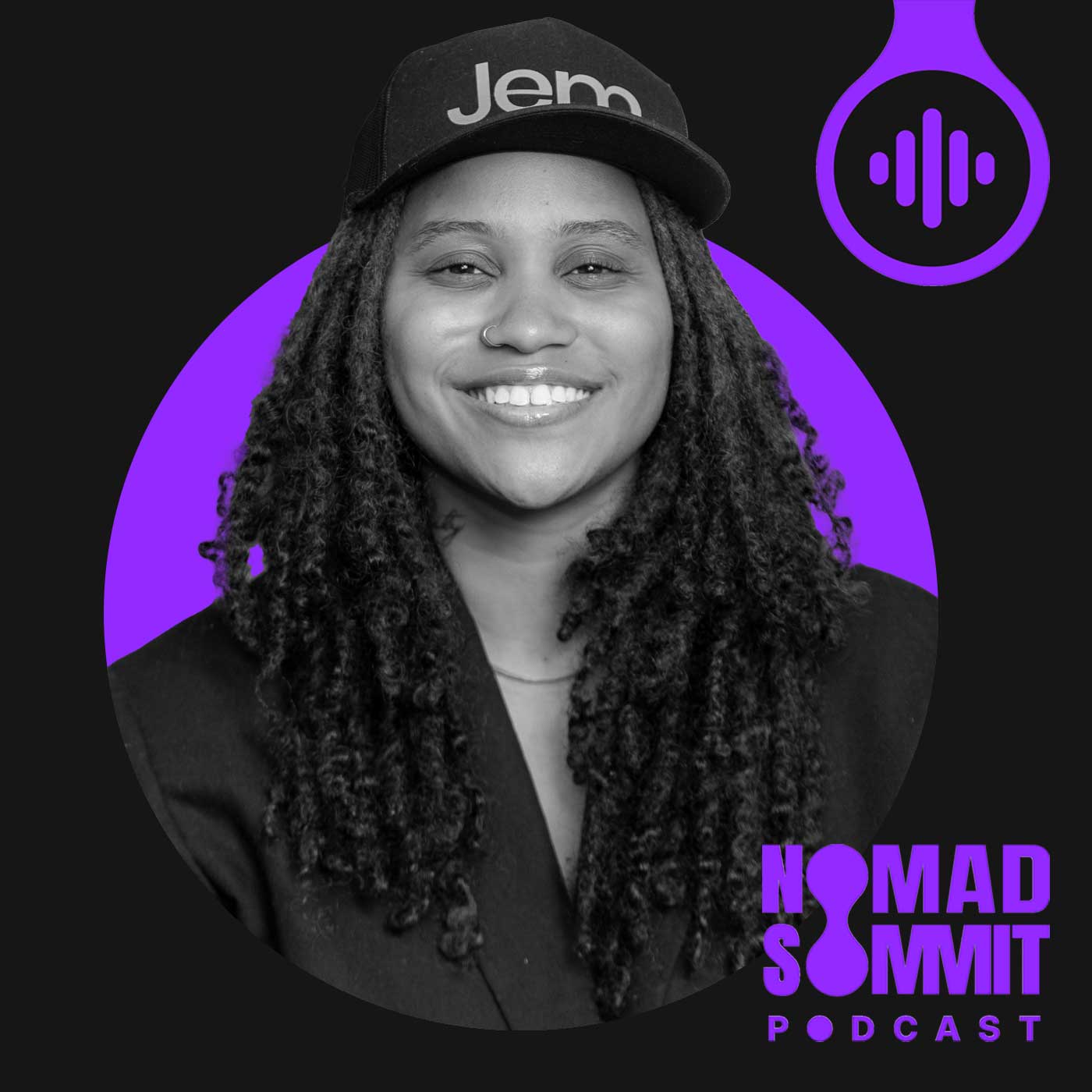
EP. 79 · Nov 2026 · 36 min
79 | She Runs Two Online Businesses With 7 AI Employees
with Brianna "Bree" Flemings
What does it really take to quit corporate America, move to Thailand, and build a location-independent business? In Episode 79 of the Nomad Summit Podcast…

Never Miss an Episode
Get new episodes, event announcements, and nomad insights delivered straight to your inbox.